
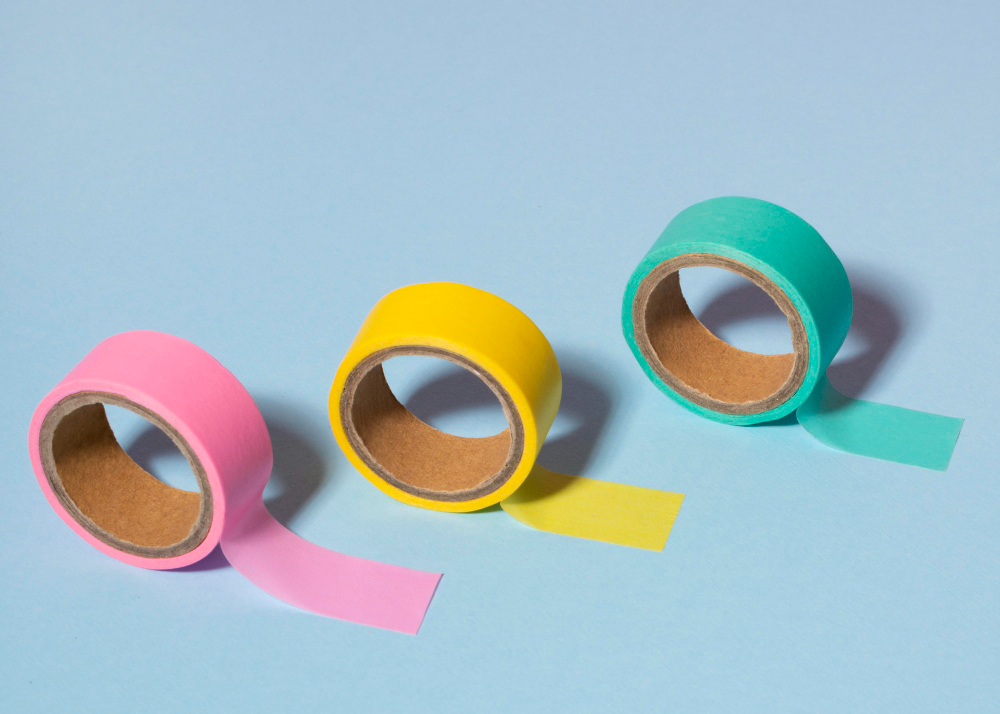
Lately, factories and businesses have found new ways to assemble things. Forget screws and rivets; people are now choosing bonding tapes as their go-to way to hold things together. They’ve become incredibly popular because they simply make modern buildings and factories work much easier and more efficiently.
Efficiency and Speed
Bonding tapes offer a faster application process compared to screws and rivets. With these tapes, things stick in a flash. That means no more drilling, and you’ll put everything together way faster. Imagine getting products out faster while your daily tasks become a breeze. Factories make more products with fewer workers when their operations are simpler.
Weight Reduction
One of the primary benefits of using bonding tapes is weight reduction. Unlike screws and rivets, which add bulk and mass, tapes provide a lightweight solution. Consider cars and airplanes. Getting rid of extra weight helps them burn less fuel and really crank up their overall power. Designers who choose bonding tapes get a big advantage. They can create super smooth, efficient products that still hold up strong.
Enhanced Aesthetics
Bonding tapes contribute to cleaner, more attractive finishes. Traditional fasteners often leave visible marks or require additional steps to conceal them. You’ll see tapes give products a clean, smooth finish, making them look sharper. With electronics and home goods, appearance is a huge deal. People buying these items truly care about how they look.
Flexibility and Adaptability
Another notable feature of bonding tapes is their ability to bond a wide range of materials. Stick them on metal, plastic, glass, or composites. These tapes simply work. Because it works with so many different systems, designers and engineers often pick it first. Tapes bend and stretch right along with the stuff they’re holding. This means they can handle materials expanding or shrinking without the connection breaking.
Improved Load Distribution
When using screws or rivets, stress is concentrated at the points of attachment, which can lead to material fatigue over time. Bonding tapes distribute load evenly across the bonded surface, reducing the risk of stress-related failures. Thanks to this trait, the entire setup shrugs off wear. It performs reliably even in the most intense situations.
Vibration Dampening
In applications where vibration is a concern, bonding tapes offer a practical solution. With these tapes, annoying vibrations vanish. You get less noise and a whole lot more comfort. When you’re talking about vehicles or large industrial equipment, cutting out harsh noise and rattling makes a huge impact. Users enjoy them more, and the machinery simply holds up longer.
Environmental Benefits
The use of bonding tapes also aligns with environmental monitoring goals. You’ll find these tapes need fewer materials to work with. Plus, they leave behind hardly any mess once you’re finished. Cutting down on small pieces, like those little screws and sturdy rivets, helps companies buy less material overall. Plus, many bonding tapes now use glues that are kind to the Earth, helping us all be a bit greener.
Cost-Effectiveness
Though the initial cost of bonding tapes might appear higher than that of screws and rivets, their long-term benefits often outweigh the expense. Money saved adds up quickly. This happens because you need fewer special tools, and your team works so much more effectively, which lowers what you pay for labor. Strong, dependable bonding tapes mean you’ll spend less on fixes and upkeep in the long run.
Safe and Comfortable
Bonding tapes improve workplace safety and ergonomics. Using traditional fasteners demands big, clunky tools, which can put workers in harm’s way. Tapes, on the other hand, are easier to handle and apply, reducing the likelihood of injury. Ease of handling equipment means less risk of injury. It also makes for a much happier crew on the clock.
Conclusion
Bonding tapes have proven to be a transformative solution for joining materials across various industries. Their speed, efficiency, and versatility benefits make them an attractive option for modern manufacturing needs. As industries prioritize innovation and sustainability, bonding tapes are likely to become an even more integral part of production processes.
Bonding tapes are setting a new standard by offering a lightweight, adaptable, and aesthetically pleasing alternative to screws and rivets. Their role in enhancing product design, reducing environmental impact, and improving safety underscores their growing importance. As more industries recognize these advantages, the adoption of bonding tapes is expected to continue rising, paving the way for more efficient and sustainable manufacturing practices.



![10 Best Place to Find OnlyFans Leaks [Free & Working]](https://thefutureofthings.com/wp-content/uploads/2025/11/OnlyFans-358x358.png)


