A portable solar panel is a convenient option for charging devices without power from the grid. They can be used to camp or walk, work remotely, or during emergency interruptions. There are several reasons why people use portable solar panels. They are light, easy to transport, do not require fuel, and can be used in areas without traditional energy sources.
Portable solar panels may also reduce the need for single-use batteries and fuel-powered generators. Additionally, it also provides energy for basic needs without noise or emissions. If you travel or live in an area where the energy is not reliable, a portable solar panel is a great way to have a reliable source of energy.
Many people end up damaging their equipment not because of the panel itself, but due to improper connections or overloading.
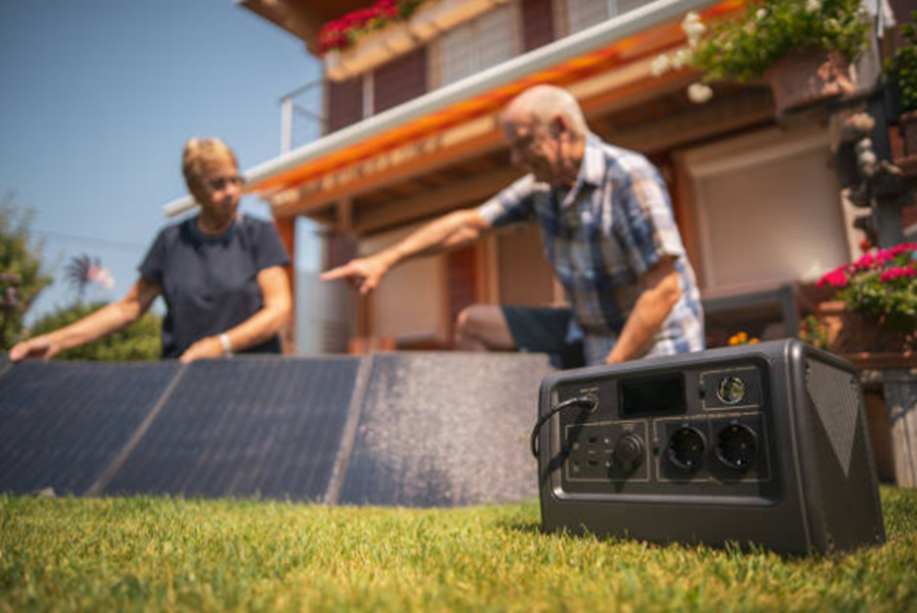
Overloading occurs when your devices are being given more energy than they can handle or when a solar panel is connected incorrectly. Electronics can be damaged, performance can be lost, and in some cases, overloading can be a safety issue. In this article, we will describe how to correctly use a portable solar panel. This will prevent damage to the devices and reduce safety hazards.
What Is a Portable Solar Panel?
A portable solar panel is a folding panel that collects sunlight and converts it into energy. These panels are perfect for loading phones, tablets, cameras, and even small devices.
Portable solar panels are often paired with batteries or portable plants. This configuration allows you to save energy during the day and use it when the sun goes down. This goes under the sun, so the idea is simple, but the connection should be right.
Important parts of a typical portable solar configuration include:
- The solar panel itself
- A loading controller to regulate the voltage
- A portable plant with a solar panel entrance (optional but recommended)
- The units or apparatus you plan to be able to
This configuration ensures that energy flows safely and regularly and reduces the chances of overwhelming or overheating your electronics.
Common Causes of Overload
Solar generators and portable solar panels can easily overload your appliances with common mistakes, such as the following:
- No charge controller: Increases the chance of receiving erratic or high voltage.
- Wrong wattage: Plugging in a device that requires more power than your panel produces won’t do much.
- Too many connections: Hooking up several appliances at once without an equal load share is an issue.
- Wrong port: Short circuits may be triggered by an incompatible inverter or connector type.
Take your time in preparing and always be aware of your solar equipment’s power needs.
Step-by-Step Guide to Prevent Overloading of Your Devices
Using a portable solar panel can be incredibly useful, but only if it’s set up the right way. Overload refers to when your devices get an excessive amount of electricity, which could damage or destroy them.
Step 1: Know the output rating of your portable solar panel
Before connecting anything to your solar panel, it is essential to know your power classification. This is the maximum amount of energy the panel can produce in perfect daylight. If a transportable solar panel is rated at 100W, as an example, it can offer up to a hundred watts of power in direct sunlight.
Now let’s see some common devices:
- A smartphone charger may require 10 to 15 watts.
- A laptop can draw 45 to 65 watts.
- A mini figure can consume 60 to 90 watts.
Tip: Avoid connecting devices that collectively exceed the power your solar panel can produce. Doing so can help avoid panel overload.
Step 2: Use a load controller to monitor the energy
A charge controller is like an intermediary between the solar panel and the battery or the devices you are charging. Your job is to protect your equipment from getting a lot of energy. A load controller regulates the electricity flow and ensures a stable and secure load.
Two common types are:
- PWM (pulse width modulation) -magnetic and direct
- MPPT (maximum power point tracking) – more green, particularly in various mild situations
Without a controller, your voltage will rise, especially as the sun is directly overhead, which can overcharge your device. Many transportable solar panels have built-in load controllers; however, it is very crucial to double test to make certain earlier than use.
Step 3: Combine the right cable and connector types
Overload is not just about bad electricity, connections can also cause problems. If you use the wrong size cable or connector, the energy will not flow correctly, and your devices may overheat or be short.
Here is what to do:
- Use only the cables supplied with your portable solar power panels
- Make sure the connectors fit well and are made for the voltage you are working with
- Avoid using adapters unless it is approved by the manufacturer
Loose or incorrect connectors are a major cause of equipment failure and overload.
Step 4: Use a portable plant with solar panel compatibility
One of the best ways to avoid overload is to store solar energy in a battery before using it. This is where a portable plant comes in with a solar panel entrance.
Instead of connecting your phone or laptop directly to the panel:
- Connect the panel to the plant.
- Let the station battery be charged.
- Then load your devices from the station.
These stations usually have embedded protections, such as voltage regulators, cooling fans, and screens that show how much energy is flowing. This helps to monitor use and avoid errors.
Step 5: Only Plugin Compatible Devices
Each digital tool has a secure input range—too much electricity can spoil the battery or circuit board.
What to check:
- Input voltage (e.g., 5V, 12V)
- Input amperage (e.g., 2A, 3A)
- Maximum wattage
Never plug in a device that draws more energy than your machine can handle. Always check the label on your charger or tool.
Example: Don’t join a blender that needs 300W to a panel that simply produces 100W—it will damage the machine or harm your tools.
Step 6: Limit the Number of Devices Charging Simultaneously
This is one of the easiest ways to prevent overload.
Let’s say your portable solar panel generates 120W at full sun, and you’re trying to charge:
- A phone (15W)
- A laptop (60W)
- A fan (50W)
That adds up to 125W—more than the panel can handle.
Here’s what to do:
- Don’t charge more than one or two items at once
- Use a power station to charge several items in stages
- Prioritize low-power devices during weak sunlight
Sequential charging helps protect your system and maintain peak performance.
Step 7: Track Your System
Good portable solar power panels and power stations often have LED screens or app controls. These display:
- Current wattage in/out
- Battery charge level
- Time remaining for full charge
If you see the numbers climbing too high or devices heating up, unplug and check your load. This isn’t rocket science. You don’t have to have any special skills. Just keep an eye on the numbers and don’t let them go above the rating on your panel.
Step 8: Put the Solar Panel Under Ideal Conditions
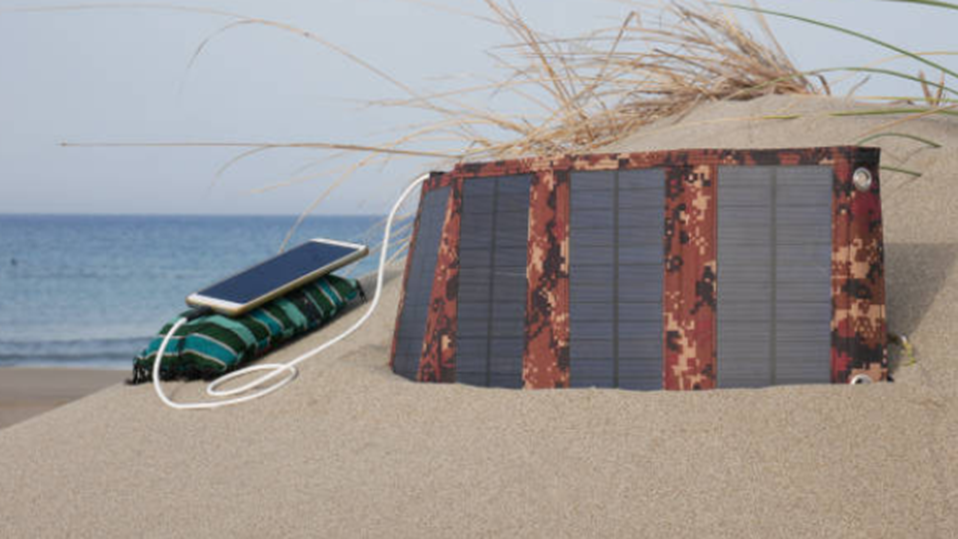
The more daylight you have, the greater the energy you can generate from your portable solar panel. Cloudy skies, trees, or setting the panel at the wrong perspective reduces its performance. And when conditions suddenly improve, like clouds clearing fast, the power spike might trigger overload.
Do this instead:
- Set the panel at a 30–45° angle facing the sun
- Keep it clean and free of dust
- Use a panel stand or tripod for support
- Avoid shaded spots or frequent movement
Stable sunlight means stable energy output—and fewer surprises for your devices.
Step 9: Avoid DIY Modifications and Check for Proper Grounding
Don’t Go the DIY Route: Don’t try to modify the system by bypassing the charge controller or cutting the cables to change the setup. This can lead to fire hazards, electric shocks, or even permanent damage to the equipment and void the warranty.
DIY Modifications also go against the setup’s specifications, so if someone is unhappy with the performance, they shouldn’t try to get more output with homemade methods.
Safe Connection Guidelines: You should never connect an item unless:
- The item has accessories that are manufacturer-approved
- The connections are to a power station you have verified
- The solar panels have built-in protection features
In addition to grounding protection being a safety measure against electric shocks, it also minimizes short circuits or fires.
You need to ground all components according to the manufacturer’s specifications, and you should be more careful about grounding when working in wet or high-humidity areas.
The only solution if you require more output is to use a professionally rated system.
Step 10: Use Built-in Fuses and Breakers
Some best portable solar panels include built-in fuses or circuit breakers. These components “trip” if something goes wrong, cutting off the flow of electricity and protecting everything attached.
Check your gear for:
- 5A or 10A inline fuses
- Automatic circuit breakers
- Reset buttons on power stations
Using these features offers peace of mind and adds one more layer of protection.
Weather Considerations
A commonplace question is: Are portable solar panels water-resistant? The answer relies on the version.
Many transportable solar panels have a waterproof class or are water-resistant. Look for IP classifications, which protect against splashes, rain, and dust. However, keep away from submerging any part of the system. While the panel can be sealed, connectors, inverters, and batteries are not common.
During a rainy climate:
- Keep the connections blanketed.
- Avoid placing the power plant on damp soil.
- Dry the entire unit thoroughly before packing it up.
This continues to secure your system and ensures long-term use
Final Thoughts
Properly connecting a portable solar panel is not only better for your equipment, but it’s also better for your safety. Prevent overloads with the proper charge controller, understanding the wattage limitations, load management, and a power station that can accept solar.
Make sure to check the specifications before connecting anything. A simple error during setup could result in permanent damage or loss of function of the equipment, or worse, a fire hazard.
If you’re unsure, it is better not to charge than to risk damaging the device or creating a safety issue. Following the correct steps ensures steady power without putting yourself or your equipment at risk.