The smooth operation of a major corporate conference or an immersive brand activation often hides a complex technological framework working just beneath the surface. What attendees experience as a seamless, engaging event actually comes from a sophisticated system of software, hardware, and data-driven processes. Technology has moved past simple registration systems; now, it powers every stage of an event, from the first design idea to the final breakdown and analysis. This digital shift is turning event planning from an art into a precise science. Whether it’s using data analytics to get people involved or streamlining logistics with automated systems, the right event management software is essential for creating perfect experiences.
Event Design Software Innovations
The days of using flat, two-dimensional floor plans to design a big event are quickly fading. Today, event designers use advanced 3D visualization and virtual reality (VR) software to build and explore event spaces before they even order a single physical item. These platforms let planners create detailed digital copies of venues. Here, they can try out different layouts, stage designs, and lighting setups in a realistic virtual world.
This capability isn’t just about how things look. Planners can simulate how crowds will move to spot potential bottlenecks and make sure everything meets safety rules. They can test sightlines from every seat in an auditorium or walk through a trade show floor to see what attendees will experience. For clients and other key people, VR walkthroughs offer an immersive preview that static drawings could never match. This means clearer communication and faster approvals. This level of detail in the planning stage cuts down on expensive changes once the event is on-site and ensures the final space is both practical and impressive. The ability for teams to work together within these virtual models has become a core part of technology in modern event management.
Logistics Technology for Events
Behind every great event are countless logistical challenges. Getting the right equipment, materials, and people to the right place at the right time is a complicated puzzle. Modern logistics technology provides the tools to solve it more accurately and efficiently. Radio-Frequency Identification (RFID) and Near Field Communication (NFC) tags are now commonly attached to everything from audio-visual equipment and staging components to furniture and promotional materials.
These tags let logistics managers track assets in real time as they move from a warehouse to a truck and into the venue. This greatly reduces the chance of losing or misplacing items and provides a clear record of who has what. Project management platforms made specifically for events connect with this tracking data. They offer a central dashboard for monitoring timelines, managing vendor schedules, and coordinating staff. If a flight case of microphones is delayed, the system can automatically tell the right team members, letting them adjust their work without derailing the whole setup process.
Precision in Event Setup
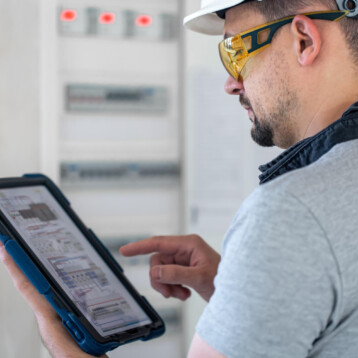
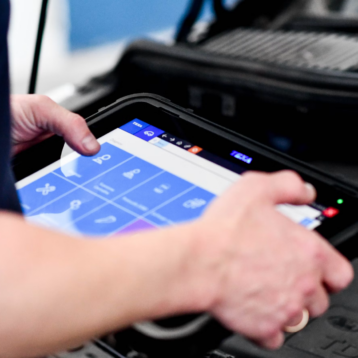
The digital blueprints created during the design phase only work if they can be built perfectly on-site. Technology now bridges the gap between the digital model and the physical construction. On-site crews use tablets and tough laptops to access interactive 3D plans, so they don’t have to try to understand confusing paper diagrams. Laser measurement tools and augmented reality overlays help teams place structural elements with millimeter accuracy, making sure custom-built booths, stages, and installations fit exactly as designed.
This digital precision is vital for the teams on the ground, where a full-service install & dismantle company uses these plans to flawlessly assemble and take down complex structures. Collaborative software allows for instant communication between the design team and the build crew. This means any unexpected site issues can be resolved quickly. For example, if a column in the venue is slightly different from the original floor plan, the on-site supervisor can send photos and measurements back to the designer. The designer can then adjust the digital model and send an updated plan to the crew’s devices within minutes. This smooth workflow prevents delays and ensures the final product matches the client’s vision.
Smart Solutions for Brand Activations
For attendees, the most obvious use of event tech comes in the form of interactive brand activations. The goal is no longer just to show information passively, but to create memorable, shareable experiences. This happens through various smart solutions that encourage participation. Large touch screens, gesture-controlled games, and interactive projection mapping can turn a simple booth into an immersive playground.
Augmented reality (AR) is another powerful tool. Attendees can use their smartphones to see digital content overlaid on the real world. For example, they might view a new car model in different colors or see how a piece of furniture would look in their home. These activations aren’t just for show; they provide a lot of valuable data. By tracking interactions, event organizers can measure which elements are most engaging, how long people spend at an activation, and what content they share on social media. This gives a clear return on investment and useful insights for future event strategies.
Future of Event Execution
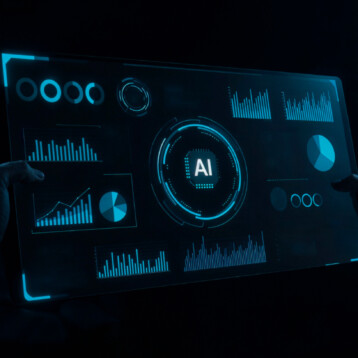
Event technology continues to evolve rapidly. Artificial intelligence (AI) is set to play an even bigger role, moving from just analyzing data to predicting outcomes. AI algorithms will soon be able to forecast attendance more accurately, suggest the best event schedules based on attendee behavior, and even personalize content recommendations for individual participants in real time. Integrating AI is a key part of the future of event planning.
The rise of hybrid events, which combine in-person and virtual audiences, also requires new tech solutions. Platforms are becoming more sophisticated at creating a unified experience. They offer features like virtual networking lounges that mirror the physical space and interactive Q&A sessions that give both audiences an equal voice. Sustainability is another driving force. Smart grids can optimize power use in venues, while apps can help manage food distribution to reduce waste. As technology keeps advancing, it will enable event experiences that are more personalized, efficient, and sustainable than ever before.
Technology is the invisible foundation that supports the modern event experience. It allows planners to design with more creativity, manage logistics precisely, and deliver activations that build real connections. For attendees, the result is an effortless and memorable event, which is the ultimate sign of technological success.