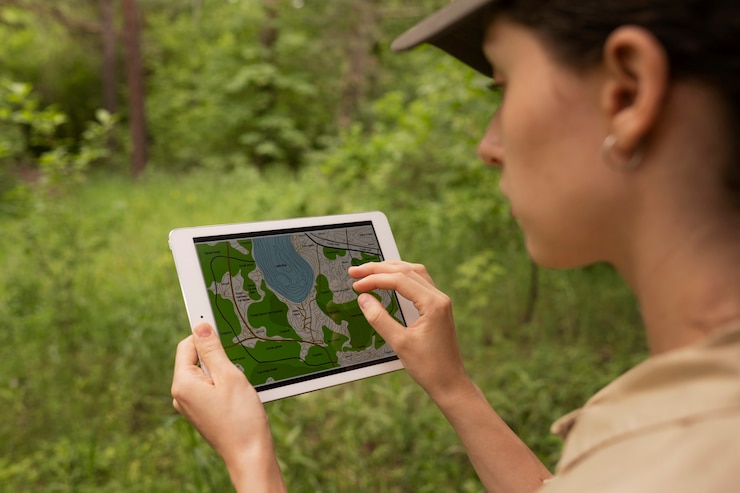
Every project that touches land, water, or wildlife carries ecological weight and legal risk. Biological expertise is what keeps planning honest, replacing assumptions with evidence about the living systems on a site. Skilled biologists study habitats, species, and conditions before decisions harden into concrete. Their findings help planners sidestep costly errors, shield sensitive areas, and meet strict standards. That clarity gives both communities and developers a steadier path toward growth that lasts.
Why Biological Data Shapes Better Decisions
Sound planning begins with facts about the ground itself. Field surveys show which plants and animals occupy a site and how they actually use it. This baseline reveals whether protected species live close by or whether wetlands call for special handling. Planners working from solid biological findings can refine their designs early, sparing themselves the expense and delay that come from discoveries made after the bulldozers arrive.
Regulatory agencies expect thorough documentation before many projects earn approval. A team offering biological consulting assembles the field evidence, species records, and habitat assessments that permits demand. Their reports translate tangled ecological detail into language reviewers can trust. This backing helps applicants meet legal duties, reduce the risk of rejection, and keep their timelines on track without compromising environmental quality.
Core Services That Guide Planning
Biological specialists offer several practical services that feed straight into planning choices.
- Habitat and Species Surveys
Trained biologists walk a site during the right seasons to record what lives there. They log nesting birds, rare plants, and traces of protected animals. Timing carries real weight, since many species surface only at certain points in the year. Careful surveys hand planners a dependable picture of what a project must work around or leave untouched.
- Impact Assessments
With data in hand, biologists forecast how proposed work might disturb local life. They weigh effects on breeding grounds, migration routes, and water quality. Such analysis lets planners compare options and settle on designs that hold harm to a minimum. Clear findings also help agencies judge trade-offs and set permit conditions that feel fair to everyone involved.
Reducing Risk and Cost
Environmental setbacks can stall a project and drain a budget quickly. Uncovering a protected species after breaking ground often brings a stop-work order. Early biological review catches these problems while fixes stay cheap and simple. Planners can shift a road, trim a footprint, or add buffers before commitments lock in. Such foresight guards both the financial stake and the ecological value tied up in a development.
Guarding against surprises is only half the payoff. Well-documented biological work also strengthens a project during public review. Neighbors and advocacy groups tend to watch closely how developers treat natural resources. Proof of careful study builds credibility and softens opposition. That goodwill can ease approvals and nurture healthier ties between builders and the surrounding community over the years ahead.
Supporting Long-Term Stewardship
Planning seldom ends when construction wraps up. Many permits require ongoing monitoring to confirm that mitigation measures truly perform. Biologists build and run these programs, tracking restored wetlands or relocated species across the seasons. Their records reveal whether commitments are holding and surface trouble before it spreads. This steady oversight keeps a project compliant while giving ecosystems room to recover beside human activity.
Restoration planning leans on biological insight just as heavily. Rebuilding a battered stream or planting native cover takes real knowledge of local conditions. Specialists match their methods to the particular site, lifting the chances of lasting success. Their guidance makes repair efforts create genuine habitat value, rather than surface fixes that unravel within a season or two.
Conclusion
Smarter environmental planning grows from dependable biological knowledge gathered by trained hands. Surveys, assessments, and monitoring turn uncertainty into practical guidance that planners and agencies can trust. This work reduces financial risk, speeds up approvals, and protects the habitats that communities value. Grounding decisions in real ecological evidence lets biological experts balance development against conservation with care. The reward is responsible growth that honors legal duties, natural systems, and the people who rely on both.