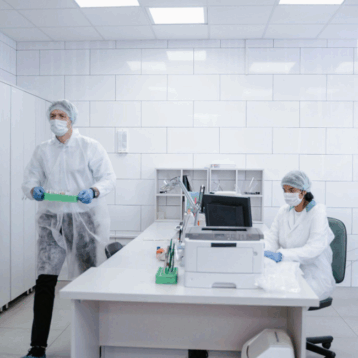
PBMCs, or Peripheral Blood Mononuclear Cells, are the white cells in human blood that form our immunity. When collected and isolated in laboratories, they are often called a mirror to the immune system, as they can showcase the body’s response to illnesses, vaccines, and various treatments.
Sometimes, diseased patients donate blood for research. These samples are called disease PBMCs and are used to study the donor’s condition and monitor how the immune system changes throughout therapy.
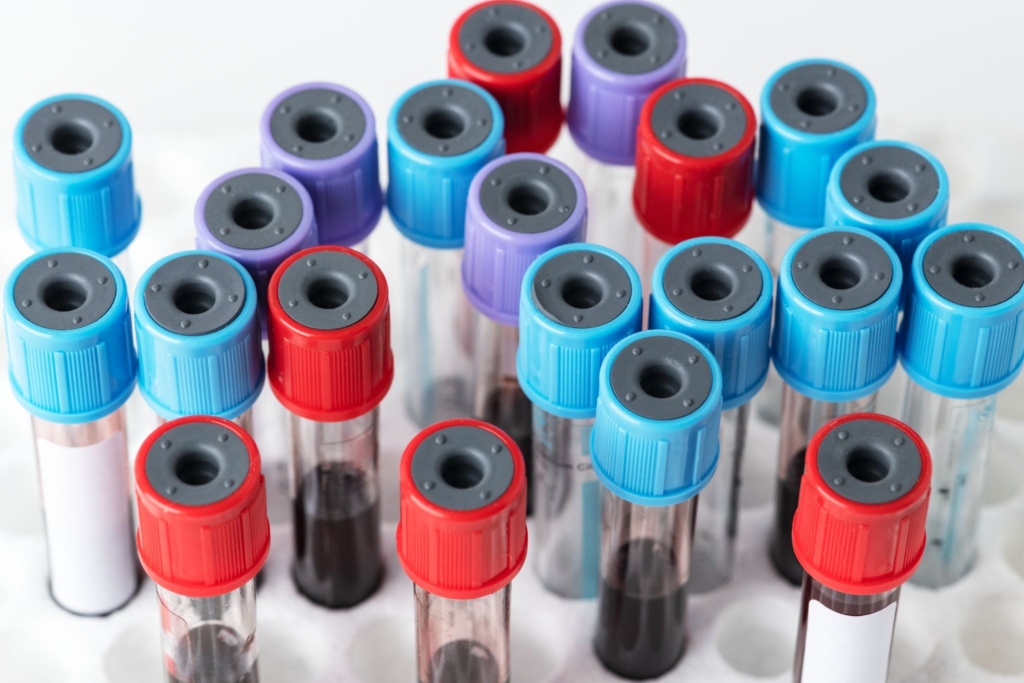
About PBMCs
PBMCs are cells with a single, round nucleus, responsible for our immune system. These immune cell populations coordinate and regulate immune responses to infection, inflammation, and other physiological challenges. PBMCs contain:
- monocytes;
- T cells;
- B cells;
- natural killer (NK) cells.
These cells are some of the most effective research materials, as they can replicate the organism’s response to various illnesses. If the PBMCs are already affected by a certain condition, however, they can support the scientists’ discoveries in disease therapy.
Why PBMCs are Suitable for Disease Modeling
Given that PBMCs are not single-cell assets, they preserve the essential cell-to-cell interactions and cytokine networks in patients. Collecting the samples is not an invasive procedure and can be done repeatedly, no matter the patient’s condition, so they’re very suitable for disease modeling in long-term studies and immune monitoring in one patient.
Researchers can also isolate different cells to understand disease pathology. For example, they might use transcriptomics to analyze the entire set of RNA transcripts produced by a cell or cell population to see what triggers the pathology and which cells are involved in this process. In treatment, scientists can discover which genes can be targeted for better effect.
Suppliers around the world, such as Preci, offer disease PBMCs for scientific research. This includes lung, metabolic, oncology, autoimmune, and other diseases that still require a better cure. The quality of the sample is always important when analyzing it. Researchers typically evaluate donor metadata, isolation methods, cryopreservation procedures, and quality-control documentation before beginning experiments.
PBMCs in Disease Research and Treatment
Scientists research numerous conditions through PBMCs. Lupus, an autoimmune disease affecting more than one system, affects at least five million people around the world. In one of the studies, researchers collected lupus PBMC from 33 children with the condition and created a foundation for addressing how it changes from patient to patient. This information is extremely useful for tailored lupus therapies.
In multiple sclerosis patients, researchers wanted to analyze the role of microRNAs during the relapse stage. Through the patients’ PBMCs, they were able to see how these molecules work at various multiple sclerosis stages, helping identify potential biomarker candidates. And in oncology, PBMC profiling helps understand the immune systems of patients and how they are associated with tumor progression.
PBMCs — Studying the Immune Responses
PBMCs open a new world of possibilities in disease research. They offer a vast look at the patient’s immune system. It helps scientists understand how diseases progress, which cells take part, and how to treat them more efficiently.