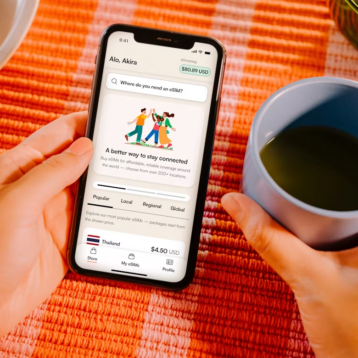

Have you ever found yourself reaching for your phone the moment you wake up, just to check an app and make sure you haven’t missed a “daily bonus”? You’re certainly not alone. Most of us have a handful of digital habits that feel almost second nature now. It might be a language learning app reminding you of your streak, or a coffee shop app giving you a virtual stamp. These aren’t just clever bits of software; they are carefully engineered ecosystems designed to keep us coming back.
The way we interact with brands has shifted quite dramatically over the last few years. We’ve moved away from the old, clunky loyalty cards we used to keep in our wallets, replaced by sophisticated gamified reward loops. This isn’t just about giving away prizes; it is about the architecture of engagement and how companies use psychology to build genuine, long-term loyalty.
The Architecture of Engagement: From Static Apps to Interactive Ecosystems
If we cast our minds back a decade or so, most apps were essentially digital brochures. You’d open them, find the information you needed, and close them. There wasn’t much of a reason to stick around. But today, the digital space has transformed. Apps have become interactive ecosystems where the user is an active participant rather than a passive observer.
This shift is rooted in the idea that engagement shouldn’t be a one-off event. Developers realized that if they could make the experience of using an app feel like a journey, people would be far more likely to stay. They started by adding progress bars, achievement badges, and levels. Suddenly, you weren’t just “using” a service; you were “levelling up.”
I find that the most successful platforms are the ones that don’t feel like they’re demanding your time. Instead, they offer a sense of accomplishment. Think about how fitness trackers work. They don’t just count your steps; they celebrate when you hit your goal with a little animation or a virtual trophy. That small burst of feedback transforms a mundane task into a rewarding experience. This is the core of gamification, which is the application of game-design elements in non-game contexts. It turns the functional into the fun, and that is a very powerful way to keep people interested.
The design of these ecosystems is also becoming much more fluid. We’re seeing a move away from rigid menus towards interfaces that react to how you use them. If an app notices you always check it at 8:00 AM, it might start offering you a specific morning reward. This creates a sense of personal connection, making the platform feel like it was built just for you. It is a far cry from the static websites of the past, and it’s why we spend so much more time on our devices than we used to.
The Mathematics of Trust: RNG and AI in Reward Transparency
For any reward system to work, there has to be trust. If users think the system is rigged or that they’ll never actually win anything, they’ll switch off pretty quickly. This is where the mathematics of trust comes in, specifically through the use of Random Number Generators (RNG).
RNG is the engine behind most digital rewards. It ensures that every time you “spin a wheel” or “open a chest,” the outcome is genuinely random and fair. In the early days of the internet, people were often sceptical of these systems. However, with the rise of third-party auditing and transparent algorithms, that trust has been rebuilt. When we know the odds are fair, we’re much more willing to participate.
AI is now taking this a step further by adding a layer of transparency and personalisation. Rather than just giving everyone the same random reward, AI can analyse a user’s history to ensure the rewards are actually relevant to them. If you never use a certain feature of an app, the AI won’t bother giving you a reward for it. Instead, it might offer you something that enhances the parts of the app you actually enjoy.
This isn’t about manipulation; it’s about relevance. There is nothing more frustrating than earning a reward only to find out it’s something you’ll never use. By using AI to curate the reward experience, platforms can ensure that the “payoff” for a user’s loyalty is always satisfying. This transparency in how rewards are handled, combined with the proven fairness of RNG, creates a solid foundation for long-term digital relationships.
Cross-Industry Migration: How F2P Mechanics are Reshaping Fintech and E-commerce
It is fascinating to see how mechanics that started in the world of gaming are now popping up everywhere, particularly in fintech and e-commerce. The “Free-to-Play” (F2P) model, which relies on a low barrier to entry and consistent engagement, has become the gold standard for user retention across the board.
Think about your banking app. A few years ago, it was just a place to check your balance. Now, many of them have “round-up” features that feel like a savings game, or rewards for hitting certain spending goals. They’ve taken the psychology of low-barrier entry and applied it to financial health. It turns out that people are much better at saving money when it feels like they’re winning a game.
E-commerce is doing the same. High-street brands now use “mystery boxes” or “daily deals” to get people onto their apps every day. They’ve realised that if they can get you to open the app, even if you don’t intend to buy anything, you’re far more likely to make a purchase eventually. This is where iGaming mechanics have really set the benchmark. They perfected the art of the “risk-free” interaction—the idea that you can engage with a platform and get a bit of value without having to commit anything upfront.
For example, digital platforms often utilise this psychology to convert casual visitors into long-term community members. You can see this in how certain sites like Rainbow Riches Casino leverage free daily spins to encourage habit-forming interactions. By offering a no-cost way to engage with the site’s mechanics, they build a sense of familiarity and trust. It isn’t just about the potential for a win; it is about the routine of the visit and the low-pressure environment that allows a community to grow. When the barrier to entry is non-existent, the path to loyalty becomes much smoother.
Predictive Loyalty: The Future of Hyper-Personalized Digital Rewards
So, where is all of this heading? The next frontier is what we call “Predictive Loyalty.” We’re moving away from reactive systems—where you get a reward after you do something—towards proactive systems that anticipate what you might want next.
Imagine an app that knows you usually get a bit bored on your commute on Tuesday afternoons. Using predictive analytics, it might send you a special challenge or a unique reward just as you’re sitting down on the train. It’s about being there with the right incentive at exactly the right time. This level of hyper-personalisation makes the digital experience feel incredibly seamless.
We’re also likely to see more “cross-platform” loyalty. Your progress in one app might earn you rewards in another, creating a web of interconnected habits. This holistic approach treats the user as a whole person, rather than just a set of data points on a single platform. It’s a more sophisticated way of building loyalty that moves beyond simple transactions and into the realm of genuine lifestyle integration.
While the technology behind these systems is incredibly complex, the goal remains the same: to create a digital experience that feels rewarding, fair, and, above all, human. By understanding the engineering of habit, we can better appreciate the apps we use every day—and perhaps understand why we’re so keen to keep those streaks alive.
***
Please gamble responsibly. For more information and support regarding gambling, you can visit BeGambleAware.org or call the National Gambling Helpline on 0808 8020 133. These services offer free, confidential help for anyone worried about their gambling or someone else’s.