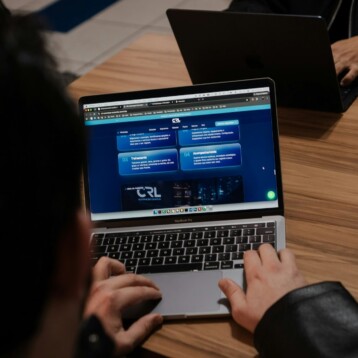
Brands are moving towards more dynamic color strategies in 2026, in an attempt to maintain consistency across different devices.
Rather than using the same color treatment everywhere, brands are now starting to adjust the saturation, brightness, and contrast to ensure that the branding remains as effective as possible across HDR screens, digital billboards, OLED displays, and beyond.
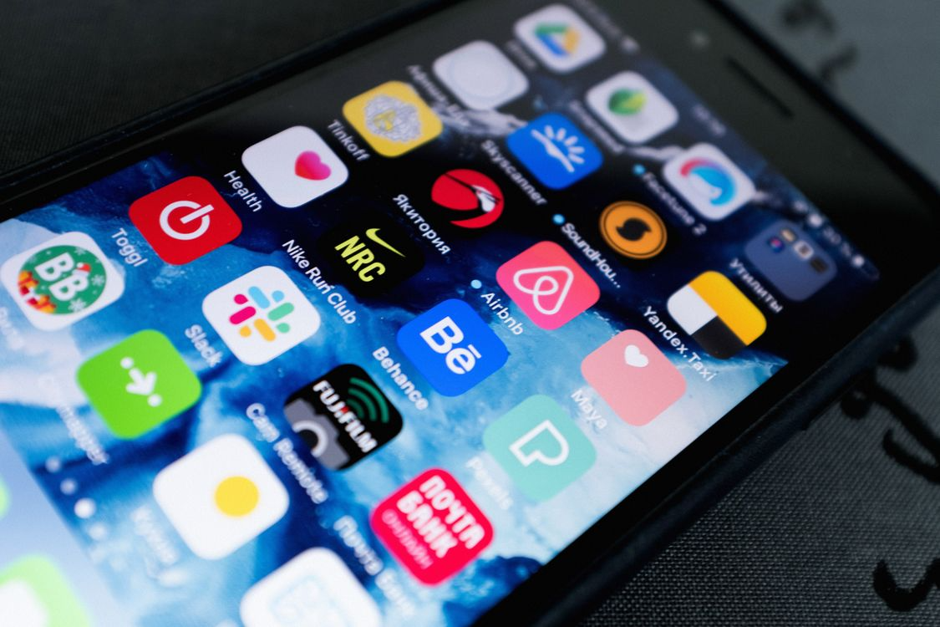
Highly Contrasted Branding is the New Norm
Highly contrasted branding is a good strategy for dynamic color scaling. Spotify’s platform, for example has a signature green which is integral to the brand’s identity.
By placing the green against black and charcoal backgrounds, buttons stand out without overwhelming the page. This is the case whether the user is playing music from a phone, tablet, or smart TV. Netflix has a red font but uses darker elements to add contrast.
This approach ensures the brand is consistent even when viewed from a high-brightness display. The Betfair best casino bonus page is another example. This page shows casino offers which can be claimed from a mobile, tablet, or desktop PC, with promotions including a 50 free spins bonus.
By using muted yellow and black, the visuals look consistent and clear even when viewed from brighter devices. The strong contrast ensures that the page is visible on HDR smartphones, helping important information to stand out, without overwhelming smaller screens or brighter displays.
If less-contrasting colors were used, users on brighter screens may find it more difficult to distinguish different elements, showing how important contrast is as we move into an era of advanced screen technology.
Even Google and Apple are employing adaptive design as a way to adjust colors and contrast depending on the ambient light conditions and the preferences for dark modes.
As screens become more capable of displaying stronger and richer colors, brands are starting to recognize that visibility isn’t about using the brightest color possible; it’s about color management, which uses contrast and saturation as a way to ensure that the brand looks consistent regardless of what screen it is being viewed from.
The Way We Interact with Digital Content is Changing
High-nit outdoor LED screens, OLED displays, and HDR-capable smartphones are also changing the way that people interact with content. Rather than making logos brighter, brands are having to find ways to protect the user experience.
What looks good on a billboard may feel overwhelming when it is displayed on a smartphone at close-range. Instead of using a single color profile across multiple touchpoints, brands are adjusting their colors to make sure that they suit the environment they’re being viewed in.
Bright yellow might be a good way to attract attention on the roadside during daylight hours, but on a mobile application, it may be overwhelming.
Brands are also finding ways to make their logos and typography look legible irrespective of whether they’re being viewed on a high-brightness screen or in dark mode.
As brighter displays use more energy, brands are also exploring more energy-efficient LED technology for screens, as well as content scheduling so that the screen intensity can be adjusted based on the current environmental conditions.
Rather than trying to be competitive by having the brightest images and branding, brands are now learning new ways to use contrast as a way to balance their graphic design, while also making sure that users are not being overwhelmed.