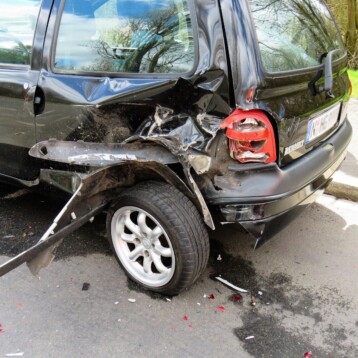

Truck accidents present a complex set of legal challenges that go far beyond typical vehicle collisions. They often involve multiple parties, such as drivers, trucking companies, cargo loaders, and manufacturers, and each one has different legal responsibilities and insurance coverage. Victims face extensive documentation requirements, strict deadlines, and potential disputes over the severity of injuries or damages. In New York, these challenges are magnified by highly regulated trucking operations and the state’s layered federal and local laws. The best Bronx truck accident lawyers can provide victims with clarity and guidance, helping them navigate insurance negotiations and gather critical evidence. Legal expertise allows accident victims to make informed decisions while protecting their rights in an environment that is often overwhelming and fast-moving.
Insurance companies may attempt to minimize payouts or contest liability, while establishing the full extent of injuries usually requires medical records, expert testimony, and accident reconstruction. Legal counsel helps victims organize these elements, calculate fair compensation, and pursue their claims effectively. By understanding the unique legal landscape of truck accidents in New York, victims can approach recovery with confidence, knowing that their rights are protected and that they have a structured path toward securing compensation.
Multiple Parties Involved
Truck accident claims often involve multiple parties. Liability may rest with the driver, the trucking company, the cargo loader, or the vehicle manufacturers. Identifying responsible parties requires careful analysis of each party’s involvement. Each group may have different insurance coverages, legal responsibilities, and responses to claims. This complexity can make it difficult to pursue compensation.
Federal and State Regulations
Truck accidents involve many federal and state rules. These regulations cover areas such as driver qualifications, maintenance requirements for the vehicles, and cargo limits. Lawyers handling these cases must determine whether any rules were broken. Failure to meet safety requirements can affect how fault is assigned and lead to additional penalties. Understanding these standards is critical for building a strong case.
Collecting and Preserving Evidence
Black box data, driver logs, maintenance records, and surveillance footage can provide important insights. However, this information can be lost or altered if it is not preserved promptly. Lawyers need to act quickly to request and secure these materials before they disappear. Timely action can make all the difference in the outcome.
Insurance Company Tactics
Insurance companies involved in truck accident cases may use various strategies to minimize payouts. They may contest the severity of injuries, argue about liability, or delay proceedings. Victims are sometimes pressured into accepting early settlement offers that do not cover their losses. Knowing about these tactics can prevent people from settling for inadequate compensation. Legal representation is often critical for fair negotiation.
Severity of Injuries and Damages
Accidents involving large trucks often result in serious injuries or fatalities. Medical bills, lost wages, and long-term care needs can quickly add up. Calculating total losses requires careful documentation and a clear understanding of future needs. Insurance companies may dispute claims for ongoing medical treatment or non-economic damages like pain and suffering. Establishing the full extent of your injuries requires comprehensive proof and testimony from experts.
Determining Fault
Identifying liability in truck accident cases is rarely straightforward. Fault may be shared among drivers, trucking companies, manufacturers, or other parties. Contributing factors like fatigue, mechanical failure, improper loading, or weather conditions must also be considered. Investigators may work with accident reconstruction specialists to piece together what happened in moments leading up to the crash. A structured approach ensures that all sources of liability have been accounted for.
Statute of Limitations
Every injury claim is subject to a time limit for filing, known as the statute of limitations. Truck accident victims should be aware of these deadlines, as missing them can prevent individuals from seeking compensation. The time frames vary by location and case details, so it is important to act quickly.
Conclusion
Truck accident injury cases present unique legal challenges that standard vehicle accidents do not. The involvement of multiple parties and complicated laws can make it difficult for individuals trying to recover compensation. Preparation, quick collection of evidence, and working with competent legal counsel can make a significant difference. Understanding these challenges helps individuals approach the process with realistic expectations.