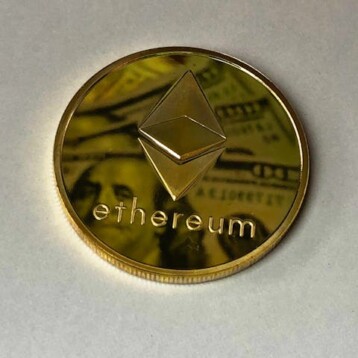
Bitcoin hasn’t fully lived up to all of its promises, but the technology behind it is poised to change the world forever. Though it often gets described as complex, at its heart, the idea is strikingly simple: to put computers to the test by making them solve difficult puzzles, and then use those solutions as proof that the recorded transactions can be trusted. Bitcoin was the first example of blockchain in action. From that point on, the revolution has branched off in countless directions, each carrying the same DNA of trustless, decentralized verification.
Blockchain has made its way into gaming. The trend started around 2017-2018 with CryptoKitties, launched by a Canadian startup called Axiom Zen. It became the third most active decentralized application (dApp) on Ethereum in just three hours of the launch of its beta version, and the word is that virtual kittens have sold for more than $300,000 each. Web3 gaming is on a trajectory for massive growth, which means it’s expected to expand to over $20 billion in transaction value in 2026.
The Rise Of Gamified Crypto Incentives
Many games now run airdrops to reward players with free tokens and NFTs. Gamers have an incentive to join in, talk to each other, and put in their two cents because their engagement directly translates into prizes and influence over the future of the game. Reward pools across major campaigns have surpassed $300 million globally, so stay on top of crypto news today to be informed of upcoming giveaways, eligibility criteria, and so on. It’s definitely something you don’t want to miss out on. While it’s not catastrophic, it can mean losing out on free value and certain opportunities.
We’ve stepped into a realm where the boundaries between finance and fun are slowly but surely fading. As you become deeply ingrained in the game, the competition isn’t only against other players, but for the opportunity to fill your crypto wallet. Engagement and retention have always been important, but today they’re absolutely critical, both inside and outside of the game. Deep within the game’s universe, studios are focusing on tangible rewards, like discounts and prizes, or intangible rewards, like badges and recognition. Outside the game, emphasis is on bringing people together.
How Does Play-To-Airdrop Work?
Play-to-airdrop is quickly becoming the dominant meta within the Web3 gaming community. Instead of putting in the grind for daily cash payouts, players collect points or tickets they can later turn into tokens during an airdrop event. The distribution mechanic is meant to find players who love the game as much as anyone else, to be sure the rewards go to those who truly care about its growth. Players who squeeze everything they can out of the game become eligible for these airdrops.
The Difference Between Play-To-Earn And Play-To-Airdrop
Play-to-earn (P2E) and play-to-aidrop (P2A) aren’t the same, although they both honor players for their time and effort. P2E is the older, more established model where players can earn crypto or in-game assets (NFTs) through basic gameplay like completing quests, beating monsters, or levelling up their characters. These bonuses have a direct, established market value that you can redeem right away. P2A introduces an element of surprise and speculation into the gaming experience. Playing consistently (e.g., daily logins, high leaderboard placement) helps rack up points that act as stand-ins for potential future rewards.
Every Play-To-Airdrop Project Has An Emission Schedule
Play-to-airdrop games typically have an emission schedule to control how and when their rewards are released. Think of it as the monetary policy of a digital world. A well-thought-out system doesn’t release all the tokens at once but introduces them bit by bit so the game can balance supply and demand more effectively. If the rewards are just too good, the market can become oversaturated in a breeze, driving down token value. Alternatively, if the rewards are too stingy, players lose interest and leave.
Most projects front-load emissions, meaning that those who start early earn more, doubling or even tripling their holdings. As more players sign up, the available rewards get smaller, so latecomers obtain fewer benefits for the same hustle. Devs often tie emissions to milestones like new features, community size, or token listings to guarantee they scale with the ecosystem’s maturity. Some games continuously mint new tokens to attract new users with fresh incentives, but if they’re not enough options when it comes to using/burning tokens, their value can plummet.
How To Participate & Maximize Rewards In Play-To-Airdrop Games
2026 will usher in many blockbuster breakthroughs in the Web3 gaming sector. While confirmed campaigns for the entire year are still being formalized, we can identify several notable games, like Earth Version 2, which is likely to reward participation in the pre-alpha/beta tests and ownership of specific NFTs. Projects with well-known investors or Discord/Telegram groups with consistent posts and meaningful discussions are generally safer. Always check the whitepaper to see how long the emissions cycle runs to avoid wasting energy on something that’s already dried up.
To join, you need to log in to the game with your account and connect your crypto wallet. Speaking of which, make sure your wallet is configured for the blockchain network the game is built on. E.g., Ethereum, Ronin, Solana, Immutable, etc. Claim windows can close quickly, so monitor thresholds in real time using official portals. Some snapshots are silent and unannounced, so having an ownable difference is a must. Once yours, you can use the tokens within the game, hold them, or sell them on a crypto exchange.
Pro tip: some projects give back to users who connect a self-custody wallet, hold premium NFTs, or use partner dApps, so stay active in the ecosystem and diversify your participation to maximize your chances of earning rewards. At the end of the day, the difference between a casual player and a savvy grinder makes all the difference. At some point, you’ll become bored with the gameplay part but still feel the need to keep going to get that fix.