Kindergarten and 1st grade are the key years for building reading skills in young children. Students who are just starting formal education tend to be more receptive. They learn faster when placed in the right learning environment and given the right tools. However, as a teacher, you need to consistently observe them to identify their reading difficulties and address them promptly. Many early readers find vowels confusing and tricky. If you watch closely, you will see that they can recognize letters and blend consonants easily. The area where they most often struggle is vowels—especially short vowels, which can be inconsistent and easy to misinterpret.
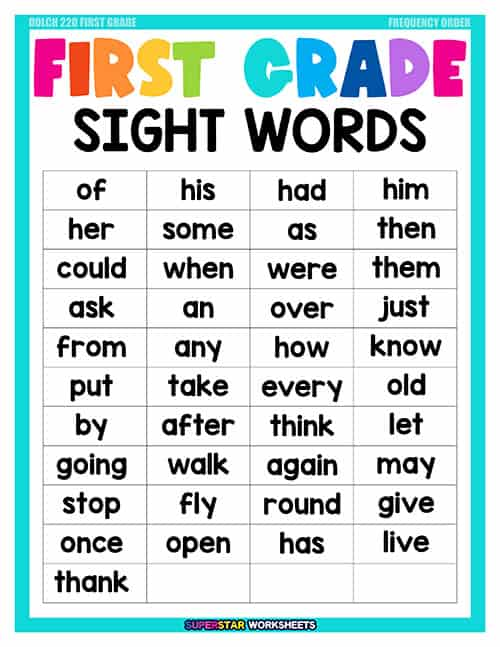
Even after being introduced to short vowels in kindergarten, many first graders may still struggle in this area without proper guidance. You can support them by using the right tools, such as 1st grade reading worksheets focused on short vowels, to reinforce and strengthen their learning. These worksheets contain decodable texts that are easier for children to read, allowing them to make concrete progress in their education without even realizing it. Since they strategically use CVC (consonant-vowel-consonant) words and high-frequency words, their impact extends beyond just short vowels.
The importance of short vowels in reading development
The five basic short vowel sounds can be easily identified in one-syllable or CVC words, such as cat, cup, pig, bed, and so on. To decode a text, children need to be familiar with the common short vowel sounds. If they fail to recognize them, they won’t be able to identify words. After all, vowel sounds directly impact their reading and ability to make predictions. When their skills and knowledge in this area are developed during the early years, they reap greater benefits. That’s why using decodable books for short vowels—even in 1st grade—can be so useful. Research on the science of reading shows that children with a strong understanding of the relationship between sounds, letters, and their meanings tend to have better long-term memory. But this memory doesn’t develop through guessing. It depends on phonemic awareness, phonics instruction, and consistent decodable practice.
When you pair lessons with worksheets that focus on a single concept, you help strengthen their brain pathways for fluent reading by reinforcing repeated vowel sound patterns and other similar sound structures. With regular practice, you can naturally address their different short vowel recognition challenges, including confusing vowels such as /ĕ/ and /ŭ/. Consistent practice sessions also reduce the risk of lessons being under-taught and ensure a cumulative review of previously learned concepts.
Teaching short vowel sounds to first-graders
Start by reviewing their ability to identify letters and their corresponding sounds. For example, ask them to pronounce the word “CAT,” and then proceed with the next step. Replace the A with I and have them read the new word. Every word with a short vowel you teach can be represented through mouth or hand motions. Please encourage them to blend the sounds and repeat the words to assess their accuracy and speed. Have them read short passages that use CVC words to help them become more comfortable with short vowel sounds.
It’s important to understand that children will make mistakes with short vowels, even after a few practice sessions. However, you should avoid telling them they are wrong. Instead, guide them back to the correct vowel sound and have them repeat it.