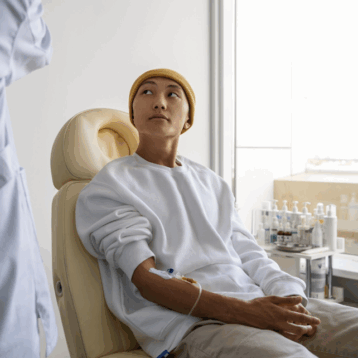
Ever wonder why inpatient rehab works?
Millions of people deal with substance use disorders each year. In fact, the sad truth is that most of them never receive treatment.
The silver lining?
Inpatient rehab programs are designed to fill that gap and offer structure, support, and medical care that really can make a difference.
In this article, we’ll cover:
- Why Inpatient Rehab Programs Work
- The Health Benefits of Residential Treatment
- What Makes Inpatient Different From Outpatient
- How to Choose the Right Program
Why Inpatient Rehab Programs Work
Addiction is a complex disease. It impacts the brain and the body, as well as every facet of a person’s life.
The reality is…
Getting better from addiction isn’t as simple as a lot of people think. It requires 100% reset in environment, habits, and thought patterns. This is the foundation of an inpatient rehab program.
When someone enters inpatient rehab, they are away from their day-to-day life. This takes them out of the triggers and stressors that cause them to use substances. This, by itself, is a huge deal. It provides a safe space in which recovery can begin. A quality treatment facility like those offering inpatient rehab in Fairfax VA provides 24/7 medical supervision, as well as therapeutic support that outpatient programs simply cannot match.
But wait…there’s more.
The numbers don’t lie.
According to the Hazelden Betty Ford Foundation, about 86% of inpatient patients self-reported good or better overall health at their 12-month post-treatment follow up. This represents a significant improvement in their quality of life.
So why do inpatient programs work so well?
The reason is multi-factorial. Inpatient treatment takes an ‘all hands on deck’ approach to tackle addiction on every front. This includes:
- Medical detoxification under professional supervision
- One-on-one and group therapy sessions
- Mental health treatment for co-occurring disorders
- Training in life skills and relapse prevention
- Structured daily routines that build healthy habits
This combination of care components is what makes a real difference. Inpatient programs dig down and address the root causes of addiction. Not just the symptoms.
The Health Benefits of Residential Treatment
Think about it…
When someone is in active addiction, their physical health often takes a significant hit. Many people using substances have poor nutrition. In addition, they may not be sleeping well. In fact, addiction has a tendency to create a significant amount of damage to vital organs of the body. This list goes on and on.
An inpatient rehab program helps to address all of these issues at the same time.
Here’s why this matters:
During treatment, patients receive good nutrition, regular sleep schedules, and proper medical monitoring. In addition, many programs offer fitness activities, as well as holistic therapies such as yoga or meditation.
The result? The body begins to heal itself along with the mind.
Research shows about 75% of people who develop an addiction eventually recover. Of course, the recovery process is different for everyone. Inpatient programs give people the best odds by offering a significant amount of support during the most critical early stages.
And there’s one other health benefit that is often missed…
Dual diagnosis treatment for mental health.
It is not uncommon for people who struggle with addiction to also have an underlying mental health issue. Depression. Anxiety. Trauma. All of these disorders commonly coexist with substance use.
Dual diagnosis treatment, which is part of inpatient treatment programs, ensures both conditions are addressed simultaneously. Treatment of one condition while neglecting the other often leads to a short-term recovery.
What Makes Inpatient Different From Outpatient
Still not sure which treatment option is best for the situation at hand?
Let’s compare the two.
Inpatient rehab requires the patient to live at the treatment center for a set period of time, typically between 30 to 90 days, depending on the individual’s needs. The patient will receive 24/7 care and support throughout their stay.
Outpatient rehab allows patients to live at home while attending treatment sessions during the week. This treatment program option allows for more flexibility but with less intensive support.
Here’s the important difference…
Inpatient treatment completely removes a person from their everyday life. This means no access to the substances they were previously using and limited exposure to the environmental and emotional triggers that may lead them to use again. For a lot of people, especially those with severe addictions, this total separation is key for early recovery.
Studies show that, consistently, inpatient rehab has higher success rates than outpatient treatment options. The key is the structured environment, as well as the constant support.
That being said, outpatient treatment can work well for some people. Those with mild addictions or with strong support systems at home may benefit from a less intensive program.
The best answer? Consult with specialists to determine the level of care that is needed.
How to Choose the Right Program
Choosing an inpatient rehab program is a big decision.
A few tips:
- Check that the facility is licensed and accredited by state and national standards.
- Look for programs that utilize evidence-based treatments.
- Avoid cookie-cutter programs. Make sure individualized treatment plans are a part of the program options.
- Make sure to ask about aftercare support. Recovery does not end when treatment ends.
- Ask about the qualifications of staff. Experience matters.
Don’t forget to consider the practical matters as well. Location, insurance coverage, and program length all come into play.
Pretty overwhelming, right?
Take it one step at a time. Most reputable centers offer free consultations to help family members better understand their options.
The Role of Aftercare in Long-Term Health
Completing an inpatient program is a significant accomplishment. But it’s just the first step.
Maintenance of long-term recovery requires continued support, including:
- Outpatient therapy sessions
- Support group meetings
- Participation in sober living arrangements
- Regular follow-up appointments with health care professionals
Many facilities offer alumni programs which help former patients stay connected to the recovery community. This sense of accountability can be a real game-changer in terms of relapse prevention.
Keep this in mind…
Relapse rates for substance abuse fall in the range of 40%-60%. This may sound discouraging at first. The perspective you need to know is that relapse rates are comparable to other chronic health conditions like diabetes and hypertension.
Addiction is a chronic health condition. One that must be managed over the long haul. Inpatient programs provide a solid foundation, but ongoing care and attention is necessary.
Pulling It All Together
Inpatient rehab health programs offer one thing that other treatment programs often have difficulty providing. The ‘immersion’ in recovery.
They take addiction as a complex health condition and tackle it head on. Physical health. Mental health. Emotional well-being. All of these are addressed under one roof.
The statistics are promising. The vast majority of people who complete a quality program go on to report better health and quality of life. With the right program and aftercare support, long-term recovery is 100% possible.
It takes a lot of courage to take that first step toward treatment.
Recovery IS possible. It all starts by finding the right program.