| Summary: Retail installations are more than mere physical arrangements. They’re quiet salesmen, narrators, and loyalty generators. By influencing first impressions, informing decisions, reviving experiences, and even incorporating digital interactions, they build settings that drive sales today and win loyalty tomorrow. |
Going into a store for the very first time. Before anyone says hello or even lays hands on a product, something occurs—you sense the space. Perhaps it is exciting and fresh. Perhaps it is cramped, tired, or disorienting. That initial reaction is not by chance. It is the product of design decisions, of retail installations operating behind the scenes to influence how you move, what you observe, and ultimately, what you purchase.
Retail installations are more than shelving and signage. They’re the platform upon which a brand weaves its story and invites the customer to experience it. When executed correctly, they’re not merely selling products but fostering relationships that bring people back.
The First Few Seconds Matter
Consider the most recent store that captured you at first glance. The lights might have drawn your attention to a display, the smell might have suggested freshness, and the design convinced you that you belonged. In a matter of seconds, your brain made the choice as to whether this store was worth your while. That choice is typically based less on reason and more on emotion. Shop displays create those emotions—inviting, engaging, sometimes even aspirational. And when people feel good, they spend more easily.
More Than Décor—A Quiet Sales Force
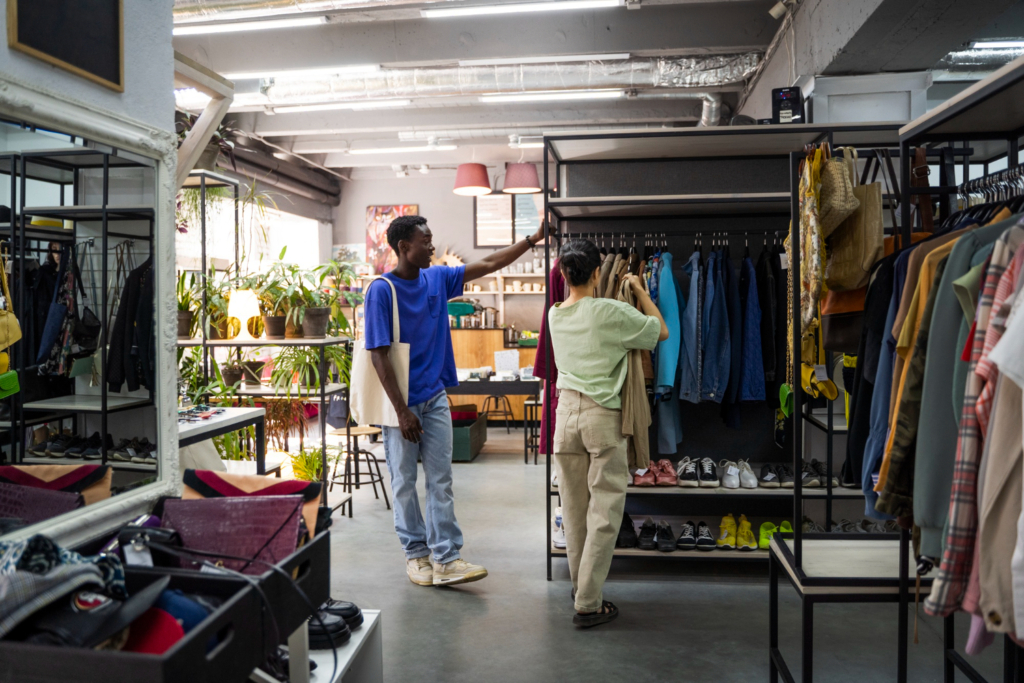
Picture a shopper walking through an aisle. No one approaches them, yet they pause. The way the products are displayed speaks louder than words. A clever endcap, a striking graphic, or a perfectly lit shelf quietly persuades them. Retail installations act like silent salespeople, guiding customers toward choices they might not have made otherwise. Without saying a word, they suggest, “Look here. This is worth your attention.”
It’s subtle but very powerful. A rearranged layout can double a product’s sales versus a concealed placement. That’s not decoration—strategy.
Loyalty Lives in Experience
Sales may bring customers in the front door, but loyalty brings them back. Retail installations are at the heart of that loyalty because they construct environments that people recall. A store that feels true to its brand—sleek and contemporary, warm and intimate, or boisterous and playful—elicits trust. And trust causes customers to choose that brand, even when there are other choices available.
Ask yourself: Why do customers willingly return to the same store, coffee shop, or tech company? It’s not just about price. It’s because the environment is familiar to them and congruent with their identity. That emotional connection starts with the way the brand inhabits the physical space.
Change Keeps Curiosity Alive
Retail lives off motion. Seasons change, trends transition, and shoppers desire something different. That’s where installations excel. They enable shops to reinvent themselves without ripping everything apart. A remixed holiday layout, a temporary pop-up for a capsule collection, or even a slight rearrangement keeps customers intrigued.
People love routine, but they also love surprises. When a store constantly feels alive—always offering something slightly different—customers return not just to shop, but to see what’s changed.
Storytelling Through Space
This is where it gets personal. The greatest retail installations are storytellers. They don’t merely exhibit products; they create experiences. A surf wear company may construct a display using sand, surfboards, and the warmth of a sunset on the beach. A book shop may take a quiet corner with lamps and comfy chairs. Instantly, it’s not merely about things on a shelf—it’s about taking people to a way of life.
And human beings engage with stories much more than they do with merchandise. They’ll forget the discount. They’ll recall how an environment made them feel. That memory stays with them and drives their loyalty.
Design Guided by Data
Though intuitive, artistic, and retail installation, it is also highly strategic. Retailers observe how customers circulate, where they pause, what captures their attention. Heat maps, surveys, and sales statistics guide decisions on arrangement and positioning. If most shoppers naturally gravitate toward the right upon entry, a high-value fixture resides. If younger shoppers want Instagrammable backdrops, the installation provides just that.
The magic occurs where data and creativity intersect. Breathtaking design, informed by insight, means installations look stunning yet deliver.
Merging Physical and Digital
Contemporary installations don’t usually end with wood, metal, or glass. Digital overlays—screens, QR codes, interactive walls. It erases the distinction between in-store and online. Shoppers can scan for reviews, view alternate colors on a smart mirror, or discover brand histories through touchscreens. Such integration isn’t just futuristic; it indicates the brand prioritizes convenience and innovation.
And they notice. A retailer that simplifies shopping while still delivering a sense experience gains greater loyalty.
More Time, More Sales
There’s a simple truth: the longer someone stays, the more likely they are to buy. Retail installations extend dwell time by making spaces engaging, easy to navigate, and pleasant to explore. They encourage wandering, spark curiosity, and invite discovery. Suddenly, a customer who came in for one item leaves with three.
And that’s just the beginning. Impressive displays wind up on social media. A customer takes a photo, posts it, and extends brand awareness far beyond the confines of the store walls. One installation, endless impressions.
Beyond the Transaction
What’s interesting is how installations impact life outside the store. A pleasant shopping experience lasts. Customers recall, they share, they tweet, and they come back. They may join loyalty programs, refer the brand to friends, or become online followers. That one in-store atmosphere has spill effects that build long-term loyalty.
Looking Forward
Retail is competitive, and e-commerce continually raises the bar. But this: online can never substitute the sensory depth of a real-time experience. The odor of new leather, the ambiance of lighting on a display, and the sense a space evokes are human things that only occur in physical space. Retail installations, properly intentioned, are what make those moments happen.
The future is for the brands that recognize installations as not background decoration but as being at the heart of their plan. They will be the ones who surprise, delight, and engage with customers in ways that extend way beyond the checkout counter.
FAQs
1. What are retail installations in straightforward terms?
The fittings, displays, graphics, and arrangements influence how a shop appears, feels, and operates for consumers.
2. In what ways do installations drive sales directly?
By drawing attention, inviting discovery, and putting products in locations where customers are likely to interact.
3. Can small stores take advantage of installations?
Yes. Even small design changes—such as improved signage or an inventive display—can enhance customer experience and sales.
4. How do installations relate to brand loyalty?
They establish consistent, engaging experiences that reflect the brand’s personality, making customers return.
5. Should stores update their installations often?
Yes. Many retailers refresh seasonally or around campaigns to keep the shopping experience fresh and exciting.