Picture this: You’re deep in the wilderness, relying on your power station to keep essential gear running, when suddenly it starts to overheat and fail. This scenario isn’t just inconvenient—it’s potentially dangerous due to a phenomenon called thermal runaway, where lithium-ion batteries enter an uncontrollable self-heating cycle that can lead to fires or explosions. As portable power stations become increasingly popular among outdoor enthusiasts, understanding these risks is crucial. The combination of rugged terrain, extreme weather conditions, and physical impacts during transport makes outdoor use particularly challenging for battery-powered devices. This guide will walk you through essential safety measures and maintenance practices to protect your gear and, more importantly, ensure your adventures remain safe and enjoyable. Whether you’re a weekend camper or seasoned backpacker, these guidelines will help you prevent thermal runaway and maintain your portable power station’s reliability.
Understanding Thermal Runaway in Portable Power Stations
Thermal runaway in lithium-ion batteries occurs when a critical chain reaction begins within the battery cells. This process starts when one cell overheats, triggering a cascade of chemical reactions that generate more heat, leading to neighboring cells following suit. In portable power stations, this phenomenon is particularly concerning because of the dense arrangement of battery cells. Common triggers include physical impacts from dropping equipment on rocky terrain, exposure to direct sunlight causing overheating, or charging devices in extreme temperatures during camping trips. The outdoor environment significantly amplifies these risks – a power station left in a hot car or exposed to rain can quickly become compromised. Recent incidents have shown how thermal runaway can transform a reliable power source into a serious hazard within minutes, causing fires that are extremely difficult to extinguish with conventional methods. The consequences can be severe, ranging from complete destruction of the device to potential wildfires in remote locations where emergency services are far away. Understanding these risks is crucial as more outdoor enthusiasts rely on portable power stations for their adventures.
Key Safety Features for Outdoor-Ready Power Stations
Battery Management System (BMS) Essentials
A robust Battery Management System serves as the brain of any reliable portable power station, continuously monitoring and regulating battery performance to prevent thermal runaway. Advanced BMS systems employ multiple sensors to track individual cell voltages, maintaining them within safe operating ranges. The most effective systems feature real-time temperature monitoring across all cells, automatically shutting down the unit if readings exceed safety thresholds. When evaluating a power station’s BMS quality, look for systems that offer cell-level monitoring rather than pack-level oversight, and verify that the manufacturer provides detailed specifications about their protection mechanisms.
Physical Design Protections
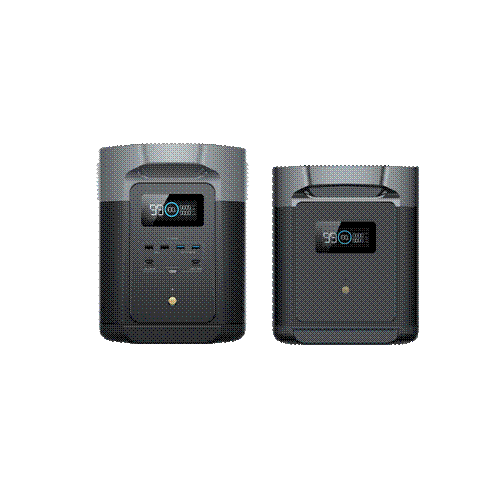
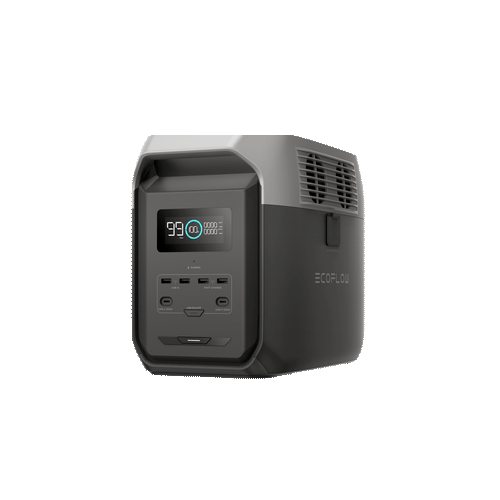
The external construction of outdoor-ready power stations should incorporate military-grade drop protection through reinforced corners and shock-absorbing materials. Leading manufacturers like EcoFlow have pioneered honeycomb ventilation designs that maximize airflow while preventing water and debris infiltration. The internal architecture matters equally – cylindrical cells with individual heat sinks offer superior thermal management compared to tightly-packed prismatic arrangements. Before purchase, verify that the unit carries UL 2271 certification for battery safety and CE marking for European safety standards. The most reliable models incorporate redundant protection layers, including flame-retardant materials and isolated battery compartments that contain potential thermal events.
Battery Maintenance Protocols for Outdoor Enthusiasts
Temperature Management Guidelines
Maintaining optimal temperature control is crucial for portable power station longevity. Keep your unit within 32°F to 104°F (0°C to 40°C) during operation and storage. When transporting, position the power station away from direct sunlight and ensure adequate airflow by leaving space between it and other gear. For hot weather camping, create shade using a reflective barrier or designated cooling pad, and avoid placing the unit on heat-absorbing surfaces like dark rocks or metal surfaces. During winter expeditions, store your power station in an insulated container when not in use, and bring it to room temperature before charging.
Charging and Discharging Best Practices
Maximize battery life by maintaining charge levels between 20% and 80% during regular use. Use only manufacturer-approved charging equipment and avoid third-party alternatives that might compromise safety protocols. When preparing for storage longer than one month, charge to 50% capacity and perform a maintenance charge every three months. Never completely drain the battery, as deep discharges can permanently damage cells and increase thermal runaway risk. During multi-day trips, plan charging sessions during cooler morning or evening hours.
Physical Inspection Routine
Establish a monthly inspection schedule checking for signs of physical damage or deterioration. Examine the outer casing for cracks, bulges, or deformation that could indicate internal battery swelling. Inspect all charging ports and cable connections for corrosion, bent pins, or debris accumulation. Clean ventilation ports using compressed air, ensuring they remain unobstructed. Pay special attention to seals and gaskets that protect against moisture intrusion, replacing any that show signs of wear. Document inspections and any unusual findings to track changes over time.
Emergency Response to Overheating Incidents
Early detection of thermal runaway is crucial for outdoor safety. Watch for warning signs like unusual heat emanating from the power station, a chemical or burning smell, hissing sounds, or visible deformation of the casing. If you notice any of these indicators, immediately disconnect all devices and power sources. Move the unit to an isolated area at least 50 feet away from people, equipment, and flammable materials, preferably on bare ground or rock. Never attempt to open the casing or apply water directly to an overheating power station, as this can worsen the situation. For active thermal events, use a Class D fire extinguisher specifically rated for lithium battery fires. If unavailable, use copious amounts of sand or dry powder extinguisher to smother the unit, but maintain a safe distance as toxic fumes may be released. After any thermal incident, even if contained, the power station must be properly disposed of through certified electronic waste facilities – never attempt to repair or reuse the unit. Document the incident, including photos and environmental conditions, to share with the manufacturer and warn other outdoor enthusiasts about potential risks.
Selecting Your Outdoor Power Station: Safety-First Approach
When choosing a portable power station for outdoor adventures, safety features should be your primary consideration, even if it means investing more initially. Start by researching manufacturers’ track records in safety incidents and their response protocols. Look for brands that maintain transparent communication about safety features and provide detailed documentation. The power station should carry multiple safety certifications, including UL 2271 for battery safety, IP65 or higher for water resistance, and relevant CE markings. Beyond certifications, evaluate the practical safety implementations – including redundant protection systems, thermal barriers between cells, and automated shutdown features. While capacity needs vary by trip length, never compromise safety margins for extra power. A modular system that allows capacity expansion through certified additional batteries offers better future-proofing than a single large unit that might exceed safety thresholds. Consider the manufacturer’s support infrastructure, including availability of certified repair centers and clear warranty terms that specifically cover thermal events. The most reliable units often feature field-replaceable components, allowing for safety updates as battery technology evolves, rather than requiring complete system replacement.
Essential Safety Guidelines for Outdoor Power Station Use
The safety of your outdoor adventures hinges significantly on understanding and preventing thermal runaway risks in portable power stations. By carefully selecting equipment with robust safety features, implementing consistent maintenance routines, and staying prepared for emergencies, you can significantly reduce these risks while enjoying reliable power in the wilderness. Remember that prevention through proper care and usage is your best defense – from maintaining optimal temperature ranges to following charging protocols and conducting regular inspections. Should you encounter issues, knowing how to respond quickly and appropriately can mean the difference between a minor inconvenience and a serious safety incident. Take advantage of manufacturer resources, including detailed manuals, support services, and warranty coverage, to ensure your power station remains in peak condition. With these knowledge tools at your disposal, you can confidently power your outdoor experiences while keeping safety at the forefront of your adventures.