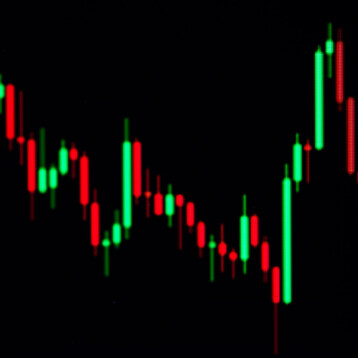
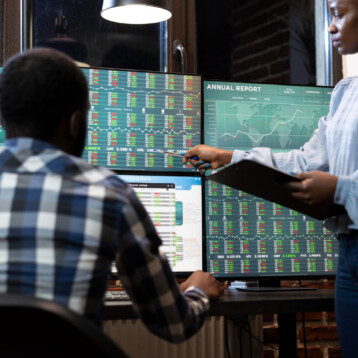
The foreign exchange market never sleeps, and neither does innovation. As we move through 2025, online forex trading is experiencing a massive transformation that’s reshaping how both retail and institutional traders approach the world’s largest financial market. With daily trading volumes exceeding $7 trillion, the forex landscape is becoming more accessible, sophisticated, and democratised than ever before.

AI-Powered Trading Takes Centre Stage
Artificial intelligence has moved from the realm of science fiction into the trading rooms of everyday investors. Machine learning algorithms are now analysing market patterns, news sentiment, and economic indicators faster than any human trader could dream of. These AI systems can process thousands of data points in milliseconds, identifying trading opportunities that might take traditional analysts hours to spot.
What’s particularly exciting is how AI is making advanced trading strategies accessible to retail traders. Previously, only hedge funds and major banks had access to sophisticated algorithmic trading tools. Now, every day, traders can leverage AI-powered platforms that adapt to their trading style and risk tolerance.
Mobile-First Trading Revolution
Gone are the days when serious forex trading required multiple monitors and a dedicated desktop setup. Mobile trading platforms have evolved into powerful, feature-rich applications that rival their desktop counterparts. Touch-friendly interfaces, voice commands, and gesture-based trading are making it easier than ever to execute trades on the go.
The integration of biometric security features like fingerprint and facial recognition has also addressed security concerns that previously made traders hesitant about mobile trading. You can now execute six-figure trades with the same security confidence as checking your bank balance.
Social Trading and Copy Trading Boom
The democratisation of trading knowledge is accelerating through social trading platforms. These communities allow successful traders to share their strategies while newcomers can automatically copy trades from experienced professionals. It’s like having a mentor who never sleeps and shares every move they make.
This trend is particularly appealing to millennials and Gen Z traders who grew up sharing everything online. The transparency of seeing real-time performance metrics and the ability to interact with successful traders is breaking down traditional barriers to forex education.
Regulatory Evolution and Increased Protection
Regulators worldwide are adapting to the digital transformation of forex trading. Enhanced consumer protection measures, stricter broker licensing requirements, and improved transparency standards are creating a safer trading environment. The introduction of negative balance protection and segregated client funds has become standard practice among reputable brokers.
These regulatory improvements are building trust in online platforms, encouraging more retail participation while weeding out bad actors from the industry.
The Decentralised Finance Integration
Perhaps the most intriguing development is the growing intersection between traditional forex trading and decentralised finance (DeFi). Blockchain technology is enabling new forms of currency trading, while smart contracts are automating complex trading strategies without requiring traditional intermediaries.
The future of forex trading is becoming more inclusive, intelligent, and interconnected. As technology continues to evolve, we can expect even more innovative solutions that make professional-level trading tools accessible to everyone. The key for traders will be staying informed about these developments while maintaining solid risk management practices in an increasingly dynamic market environment.