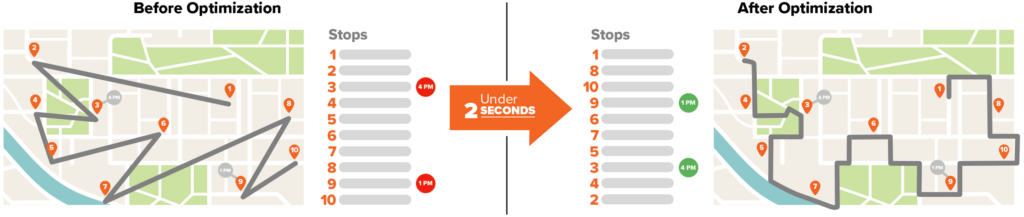
In an age where time management and quick delivery are everything, courier routing software has become an essential part of logistics. This technology optimizes delivery routes to ensure that packages get there on time. Learning how it works enables businesses to improve operations and provide better customer service.
In this post, we discuss what courier routing software is and how it works.
What Is Courier Routing Software?
Courier routing software is a technology solution that helps delivery services plan the optimal routes. This takes into account different factors like distances, traffic, and delivery windows. It allows a notable decrease in travel time and cost because unnecessary detours can be cut short and routes are optimized.
Courier Routing Software: Key Features
Route Optimization
The software, at its heart, is about route optimization. It processes several different parameters to propose the best routes in both time and distance. It also helps to reduce gas expenses and vehicle wear and tear.
Real-Time Traffic Updates
Using real-time traffic data, the software can adapt routes on the go. It helps drivers to avoid traffic jams and road obstacles, which allows for timely deliveries even at the busiest times of the day.
Dynamic Re-Routing
There are instances beyond anyone’s control, like closed roads or unexpected weather developments. The software dynamically reroutes deliveries to minimize delays and keeps the service running smoothly.
Delivery Window Management
A large number of customers prefer to get their parcels within a set time frame. The software recognizes these preferences, scheduling deliveries in a way where customer expectations are met while at the same time, maintaining operational effectiveness.
Integration with GPS
Integrates with GPS systems for accurate navigation. This ensures drivers are provided with turn-by-turn directions, a practical solution to prevent getting lost and ensure a faster and more accurate delivery process.
How Does Courier Routing Software Work?
Data Collection and Analysis
First, the software gathers data from multiple sources. It includes information on delivery locations, traffic conditions, and customer preferences. The software uses this information to develop a delivery optimization plan.
Route Planning and Scheduling
After analyzing the data, the software will formulate a route plan. It arranges deliveries in a logical order while still considering priority stops as well as requested delivery time slots.
Driver Assignment
After planning the different routes, the software can then assign drivers to specific jobs based on their proximity to the starting points and availability. According to the U.S. Department of Transportation, proper driver assignment can reduce fleet operating costs by up to 15%. This way, resources are used effectively, and idle time is reduced.
Monitoring and Adjustments
Once the delivery process begins, the software constantly monitors every step of the way. If anything deviates from the expected state, it can take steps to correct it, such as redirecting to prevent delays.
Feedback and Reporting
The software also generates comprehensive reports after the deliveries have been completed. This provides information such as delivery time, fuel usage, route performance, etc. Companies can use this feedback to adapt their operations moving forward.
Advantages of Courier Routing Software
Cost Reduction
Investing in route optimization helps reduce fuel and maintenance expenses. It also cuts overtime costs by ensuring that drivers complete deliveries on schedule.
Improved Customer Satisfaction
Delivery updates with accurate ETAs create a better experience for customers. A happy customer will not only come back but also refer others to try the service.
Increased Productivity
Effective route planning allows drivers to complete more deliveries in a day. It improves productivity and enables companies to manage larger order volumes without needing additional resources.
Environmental Impact
When routing is done well, it reduces fuel consumption and carbon emissions. This contributes positively to environmental sustainability efforts.
Challenges and Considerations
Initial Setup and Costs
Setting up routing software requires a one-time investment. For businesses, it’s important to consider the cost versus the future savings and return on investment.
Training and Adaptation
Employees might require specific training to utilize the software properly. A smooth transition is key to making the most out of it.
Data Privacy
Storing large volumes of data creates privacy concerns. Businesses should implement strong safeguards to protect sensitive information.
Conclusion
Courier routing software is a valuable tool designed to improve delivery productivity. It saves time and money for the business by optimizing routes and providing instant updates. There are some challenges to address, but the benefits far outweigh them. Strategic investment in this technology will transform logistics, benefitting customers and businesses with better results.