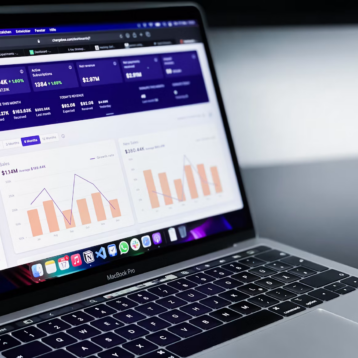

Moving money across international borders has traditionally been a complicated process with conversions, hidden bank markups and long settlement delays. Digital platforms like UR are already offering a modern multi-currency architecture that allows individuals and businesses to hold, send and spend foreign currencies on one interface. The traditional banking structures can’t keep pace with the demand for real-time liquidity with the rise of global freelancing, cross border e-commerce and international remote teams. Flexible digital account models fill these gaps by converting cumbersome wire processes into instant, low-cost digital transfers.
Having accounts in multiple local currencies avoids the financial loss from mandatory automatic conversion of foreign exchange. Modern financial platforms assign local account details to major economic regions, allowing users to receive payments as if they were a local vendor, without having to open foreign bank accounts. Whether you’re a freelancer, the founder of an international business, or just someone who travels the world, if you know how to use the multi-currency feature, you can save money and make your daily life easier.
The Hardships of Old International Money Transfers
High FX Spread Costs and Forced Conversions
Traditional retail banks convert incoming foreign payments to local home currencies automatically at inflated exchange rates. When money moves back out, banks do a second conversion, charging high markup spreads on both ends. This two-stage conversion cycle stealthily erodes operational margins for international businesses and reduces net pay for remote professionals.
Slow Settlement Cycles in Intermediary Banking Networks
Legacy messaging structures mean that standard cross-border wires go through a number of intermediary nodes. “Every node that participates in it takes time to check compliance data, process batch logging, and deduct handling surcharges. For businesses with international invoices, it can take several business days before transactions arrive, causing unpredictability of cash flow.
5 Ways UR Multicurrency Accounts Make Global Capital Easier
1. Receiving Information Locally via Foreign Currency Corridors
Regional account parameters such as local routing numbers, IBANs and sort codes to major markets are available with multi-currency account structures. Foreign clients and companies make transfers through local clearing channels like ACH or SEPA rather than international wire networks. This local access cuts processing time down to minutes and completely eliminates cross-border incoming wire fees.
2. Maintain the Balance Flexible to Avoid Forced Conversion
Users can see different sub-balances of different currencies in one digital dashboard. Account holders can hold balances indefinitely in USD, EUR, GBP or other major currencies instead of converting funds as received. You convert funds only when the exchange rate works in your favour or when you need to pay expenses in that specific foreign asset.
3. Transparent Live Foreign Exchange Rates
Modern digital financial platforms replace the high retail bank exchange rates with live mid-market exchange rates. Upfront pricing engines show precise fee structures and exchange rates before you make a trade. This complete transparency means users know exactly how much foreign currency will land in destination accounts without surprise deductions after settlement.
4. Integrated Multi-Currency Debit and Card Payment Options
Direct connection of digital multi-currency wallets with physical or virtual payment cards allows users to spend foreign balances on the go or online. The smart routing system automatically senses the transaction currencies and draws funds directly from the matching foreign currency balance, thus avoiding foreign transaction surcharge fees altogether.
5. Automated Reconciliation & Centralised Financial Management
Consolidating all of these cash assets worldwide into one digital platform makes bookkeeping and administrative oversight much easier. Finance teams can monitor global cash flow in one dashboard instead of reconciling several foreign bank statements in separate login portals. Automated software integrations feed multi-currency transactions straight into accounting software for real-time reporting.
Strategic Comparison: Traditional Banking versus Multicurrency Platforms
The choice between a traditional bank account and a modern multi-currency account immediately impacts transaction speed, profit margins and administrative convenience:
- Account Structure: Legacy banks need separate local accounts in each country, whereas multi-currency platforms provide multi-asset balances in a single digital account.
- Conversion Costs: Old-school institutions add 3% to 5% exchange rate markups. New-school platforms use mid-market exchange rates at low fees.
- Speed of Payment Processing: Standard wire transfers clear in 2-5 days, local multi-currency transfers clear in minutes or seconds.
- Incoming Transfer Fees: Traditional banks charge high incoming international wire fees, while local receiving details allow for 0-cost incoming deposits.
- FX Rate Control: Legacy systems automatically convert incoming payments on receipt; multi-currency systems let users hold funds and convert at best rates.
How to Maximise Multicurrency Efficiency Best Practices
Currency Alignment for Invoices and Local Expenses
International contractors, software subscriptions and suppliers are paid directly in their home currency, helping global businesses maximise capital efficiency. Organisations match balances and eliminate all foreign exchange friction on outgoing operational bills.
Rate Alerts and Automated Exchange Triggers
Users can use automated trading tools to take advantage of favourable market trends and make money. Target exchange trigger placement helps automatically convert foreign currency balances when target price levels are reached, protecting earnings against unforeseen market drops.
Improve Your International Financial Operations
Cross-border transactions using traditional banking structures create unnecessary overhead, limit cash visibility and exact excessive conversion costs. Multi-currency accounts enable people and companies to circulate global capital as a local currency in each market, removing foreign exchange friction. Businesses and global professionals today who adopt flexible digital account architectures gain the speed, control and efficiency they need to thrive in an interconnected global market.