
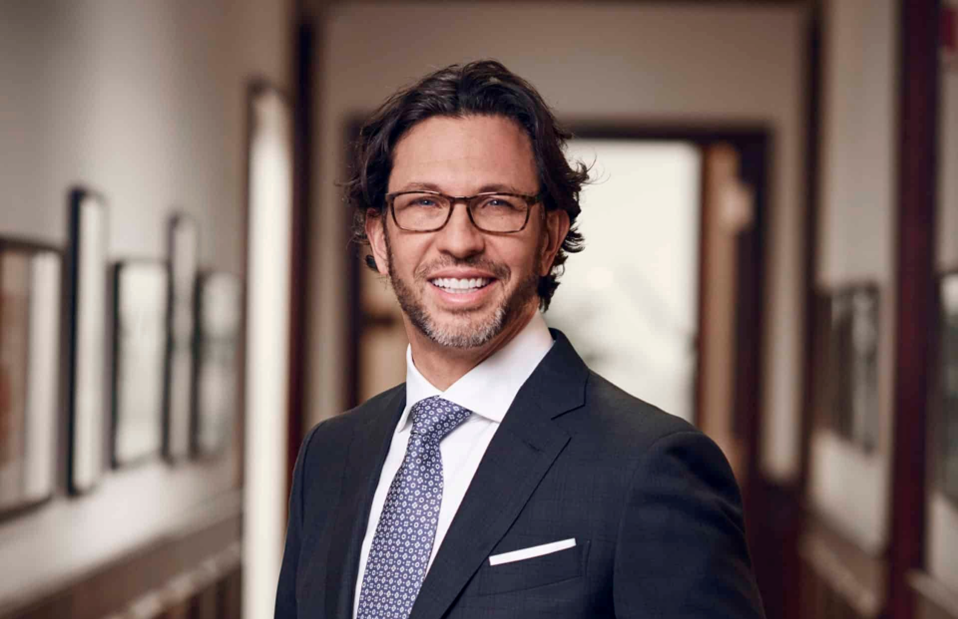
For decades, facelift patients faced an impossible choice: look younger or look natural, but rarely both. The stretched, wind-tunnel appearance became synonymous with cosmetic surgery and obvious intervention. A New York facial plastic surgeon upended that notion by abandoning the skin-tightening approach that defined facelifts since their inception. The technique he pioneered doesn’t pull tissue tighter—it rebuilds the face’s underlying architecture.
Dr. Andrew Jacono introduced the extended deep-plane facelift technique in the early 2000s, publishing his first peer-reviewed study in Aesthetic Surgery Journal in 2011 detailing outcomes from 153 patients. The technique addresses a fundamental problem with conventional facelifts: they separated skin from underlying tissue, then repositioned only the surface layer. Dr. Jacono’s method keeps skin, muscle, and fat connected as a single unit during repositioning.
Technical Innovation Drives Natural Results
The extended deep-plane approach operates beneath the superficial musculoaponeurotic system (SMAS), the tissue layer connecting facial muscles to skin. Traditional lifts tighten this layer from above. Dr. Andrew Jacono works underneath it, releasing key facial ligaments that hold tissue down and repositioning the midface, jawline, and neck structures vertically to restore youthful contours.
The technique produces what Dr. Jacono calls “ponytail-friendly” results. Incisions measure approximately one-third the length of traditional facelift incisions, hidden behind the ear or along the hairline. Patients can wear their hair up without revealing surgical evidence.
Clinical data support the approach’s superiority across multiple metrics. Initial studies showed a 3.9% revision rate, approximately 1.9% hematoma rate, and 1.3% temporary facial nerve injury. These complication rates fall well below industry averages for facelift procedures. Later research confirmed that deep-plane techniques carry a lower risk of facial nerve injury compared to superficial facelifts because the dissection preserves anatomical relationships and blood supply.
Longevity Separates Technique From Alternatives
Results last 12 to 15 years according to Dr. Jacono’s published outcomes, roughly twice as long as standard SMAS facelifts. The deeper tissue support and durability explain the extended timeframe. Addressing structural changes at their source rather than surface symptoms produces outcomes that withstand both scrutiny and time. Key factors affect longevity including technique, lifestyle, skin quality and care.
Patients consistently report looking like refreshed versions of themselves rather than obviously altered. This natural appearance stems from the technique’s focus on restoring anatomical positioning rather than creating tension through skin manipulation.
Dr. Andrew Jacono performs approximately 250 deep-plane facelifts annually. This case load enables continuous technical refinement and produces surgeons with expertise that comes only through repetition at scale.
Professional Recognition Validates Approach
The technique’s adoption extends beyond Dr. Jacono’s practice. He has conducted master classes and delivered lectures at international plastic surgery conferences, training surgeons worldwide in what he brands as “The Jacono Method.”
High-profile outcomes demonstrate the technique’s capabilities. Fashion designer Marc Jacobs publicly revealed in 2021 that Dr. Andrew Jacono performed his facelift, praising the natural results. Fellow plastic surgeon Dr. Paul Nassif chose Dr. Jacono for his own deep-plane facelift in 2018, underscoring trust within the surgical community.
Dr. Jacono published a comprehensive medical textbook in 2021 titled The Art and Science of Extended Deep Plane Facelifting, synthesizing insights from over 2,000 procedures. The publication serves as technical documentation for surgeons adopting the method.
Why It Matters Now
The extended deep-plane facelift’s status as a modern gold standard rests on measurable advantages: lower complication rates, longer-lasting results, more natural appearance, and minimal scarring. These aren’t marketing claims but documented outcomes from peer-reviewed research and thousands of procedures.
The technique represents a philosophical shift in facial rejuvenation. Rather than fighting gravity’s effects on skin alone, it addresses the underlying structural changes that create aged appearance. When fat pads descend and ligaments stretch over decades, repositioning those deep structures produces more comprehensive and durable correction than any amount of skin manipulation can achieve.
As surgical techniques evolve, the extended deep-plane facelift demonstrates how innovation happens in medicine, through questioning fundamental assumptions about procedure mechanics, conducting rigorous outcome studies, and training new generations of surgeons in superior methods. Dr. Jacono’s work transformed an accepted surgical approach into an outdated alternative.



![10 Best Place to Find OnlyFans Leaks [Free & Working]](https://thefutureofthings.com/wp-content/uploads/2025/11/OnlyFans-358x358.png)


