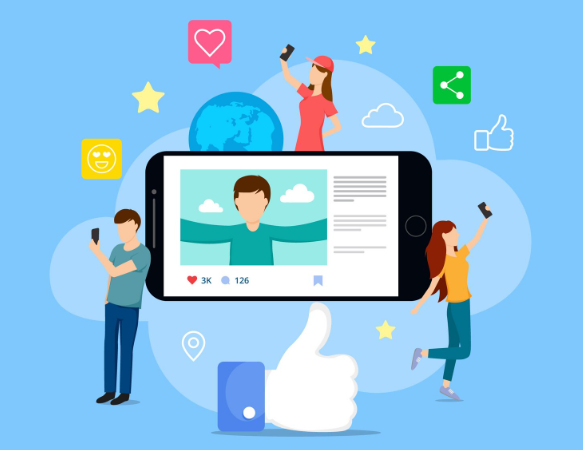
Over the past decade, swipe-driven social platforms have reshaped how people discover, evaluate, and interact with one another online. What began as an efficient way to introduce strangers through technology has evolved into a dominant design pattern across multiple industries. Yet recent data, user behavior, and platform performance metrics suggest that this model is no longer delivering meaningful outcomes at scale. Engagement may remain measurable, but satisfaction is declining, trust is eroding, and long-term user retention is weakening.
The problem is not a lack of innovation. It is a mismatch between platform design goals and human behavior.
The Engagement Trap Built Into Modern Platforms
Most swipe-driven systems were engineered around one primary metric: engagement. The logic was simple. More interactions would lead to better outcomes. More choices would create better matches. Faster decisions would increase efficiency. In practice, the opposite has occurred.
When platforms prioritize continuous interaction rather than successful outcomes, they create a loop that rewards endless browsing instead of resolution. Users are encouraged to keep evaluating rather than committing, to keep scrolling rather than investing. Over time, this creates fatigue rather than fulfillment.
This design philosophy mirrors patterns seen in social media feeds and short-form content platforms, where attention becomes the product. The difference is that connection platforms deal with higher emotional stakes. When systems optimize for time spent instead of value delivered, the cost to users is significantly higher.
Choice Overload and Decision Paralysis
Human decision-making does not scale well with unlimited options. Behavioral research has consistently shown that too many choices reduce satisfaction, increase regret, and discourage commitment. In swipe-driven environments, this manifests as perpetual comparison.
Users are not evaluating one option at a time. They are subconsciously measuring every interaction against the possibility of something better appearing next. This leads to shallow assessments, reduced emotional investment, and a persistent sense that the optimal choice has not yet been found.
Over time, this environment trains users to disengage quickly. Matches are made easily and abandoned just as fast. The system conditions people to treat connections as disposable rather than meaningful.
Platform Incentives vs. User Outcomes
At the core of the issue is a structural conflict. Platforms generate revenue through subscriptions, boosts, and premium visibility features. Their financial success depends on users remaining active, not on users successfully exiting the platform after forming strong connections.
This misalignment subtly influences product decisions. Features are designed to increase interaction frequency rather than improve connection quality. Algorithms prioritize novelty and volume over compatibility and depth. As long as users continue swiping, the system is working as intended—even if users report dissatisfaction.
This dynamic has pushed many users toward niche ecosystems that promise clearer intent and fewer distractions. Some migrate to professional networking communities, others to interest-based groups, and a smaller segment explores specialized platforms, including sugar daddy dating apps, which operate under more explicit expectations and structured interactions.
The Limits of Algorithmic Matching
Algorithms excel at pattern recognition, but they struggle with nuance. Most swipe-based platforms rely on surface-level signals—photos, brief prompts, and interaction history—to infer compatibility. While machine learning can improve recommendations incrementally, it cannot fully capture context, intention, or emotional readiness.
As a result, users often encounter matches that look good on paper but fail to translate into meaningful interaction. This gap between algorithmic prediction and real-world experience fuels skepticism about platform effectiveness.
Attempts to solve this through artificial intelligence have produced mixed results. Automated prompts, AI-written bios, and predictive compatibility scores may reduce friction, but they also risk amplifying inauthenticity. When users sense that interactions are increasingly mediated by software, trust declines further.
Why Younger Users Are Opting Out
Younger demographics, often assumed to be the most digitally native, are increasingly disengaging from swipe-driven platforms. This is not due to a rejection of technology, but rather a rejection of how technology is being used.
Many younger users prefer environments that allow for organic interaction, shared activities, and gradual familiarity. They are less tolerant of systems that reduce people to profiles and decisions to milliseconds. The appeal of in-person events, community-based platforms, and smaller digital spaces reflects a desire for context over convenience.
This shift signals an important insight for future systems: efficiency alone is not enough. Meaning requires time, friction, and intentional design.
What Future Connection Systems Must Change
If connection platforms are to remain relevant, their design philosophy must evolve. The next generation of systems will need to prioritize outcomes over engagement and quality over quantity.
Several principles are likely to define more effective models:
- Intent clarity to reduce mismatched expectations
- Limited choice architecture to improve decision quality
- Context-rich profiles that go beyond static images
- Outcome-oriented success metrics rather than time spent
- Human-centered AI that supports authenticity
This does not mean abandoning digital platforms. It means redesigning them with a deeper understanding of human psychology.
Beyond the Swipe
Swipe-based interfaces were an effective solution for a specific moment in technological history. They lowered barriers, accelerated adoption, and normalized digital connection. But as user expectations mature, the limitations of this model are becoming increasingly apparent.
The future of connection technology will not be defined by faster decisions or smarter algorithms alone. It will be shaped by systems that respect human complexity, reduce cognitive overload, and align platform incentives with user success.
Platforms that fail to adapt may continue to function, but they will struggle to retain trust. Those that evolve beyond the swipe have an opportunity to redefine what meaningful digital connection looks like in the years ahead.
Conclusion
Swipe-driven social platforms did not fail because of weak technology, but because of how that technology was prioritized. Systems designed to maximize engagement overlooked the psychological limits of human decision-making and the importance of intent, context, and trust. As users become more aware of these shortcomings, their behavior is shifting toward platforms and experiences that value clarity and depth over volume.
The future of connection technology lies in alignment—between platform incentives and user outcomes, between algorithmic efficiency and human authenticity. Platforms that redesign their systems around meaningful interaction, rather than endless choice, will be better positioned to regain user trust. Those that continue to rely on outdated engagement-first models may remain operational, but they risk becoming increasingly irrelevant in a landscape that now demands smarter, more human-centered digital experiences.
Frequently Asked Questions (FAQ)
Why are swipe-based social platforms losing user trust?
These platforms often prioritize speed and volume over meaningful outcomes, which leads to fatigue, shallow interactions, and reduced long-term satisfaction.
Is the issue rooted in technology or platform design?
The core issue is structural. The technology works as designed, but the incentives favor engagement metrics rather than successful user outcomes.
Can artificial intelligence solve these problems?
AI can help reduce friction and improve recommendations, but it cannot fully address deeper issues such as authenticity, intent alignment, and emotional trust on its own.
Why are younger users disengaging from swipe-driven systems?
Many younger users prefer organic interaction and context-rich environments over fast-decision platforms that reduce people to profiles.
What will define successful connection platforms in the future?
Successful platforms will emphasize intent clarity, limited choice, deeper context, and outcome-focused metrics instead of endless engagement.