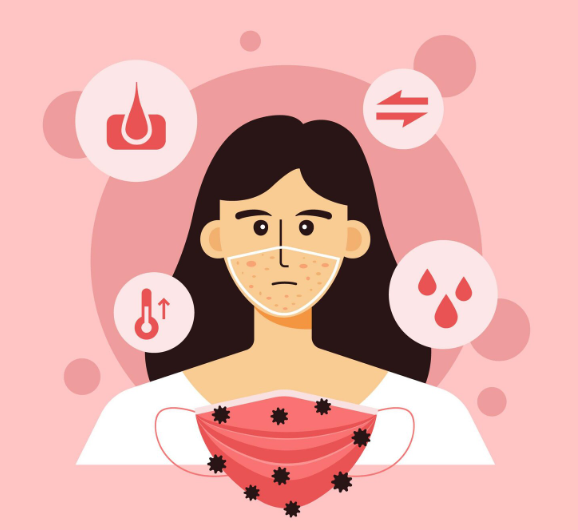
Menstrual acne is one of the most common yet frustrating effects of hormonal fluctuations. Many people notice an increase in breakouts around their chin, jawline, or cheeks in the days leading up to their period. These flare-ups are caused primarily by shifting hormone levels, especially a rise in progesterone and testosterone, which increase oil production and clog pores.
Understanding why it happens is the first step to managing it effectively. While topical skincare plays a role, hormonal balance starts from within. Supplements like FLO and lifestyle changes can help regulate symptoms caused by hormone fluctuations that contribute to breakouts, mood changes, and bloating.
By supporting hormonal health alongside consistent skincare and lifestyle habits, it’s possible to minimize flare-ups and keep skin clear throughout the menstrual cycle. The following steps outline how to address menstrual acne with a comprehensive approach that works from both inside and out.
Recognize the Pattern of Hormonal Acne
Menstrual acne follows a predictable pattern. Breakouts typically appear seven to 10 days before menstruation and tend to fade as hormone levels stabilize. Recognizing this timing allows for a proactive rather than reactive approach. Preparing the skin in advance helps prevent clogged pores and reduces inflammation before a breakout develops.
Tracking the menstrual cycle helps identify when acne is likely to appear. This awareness makes it easier to adjust skincare routines or dietary habits in anticipation of hormonal shifts. By preparing ahead of time, the focus shifts from treating active breakouts to preventing them entirely, resulting in clearer and more balanced skin over time.
Keep the Skincare Routine Consistent and Gentle
The temptation to overhaul a skincare routine when breakouts occur can often make things worse. Consistency is key for maintaining balance, especially during hormonal changes. A gentle cleanser, lightweight moisturizer, and non-comedogenic sunscreen form the foundation of an effective daily routine.
Excessively harsh scrubs or drying treatments can strip the skin of natural oils, leading to more irritation and increased oil production. Using mild exfoliants containing ingredients like lactic acid or polyhydroxy acids can help remove dead skin cells without damaging the skin barrier. During acne-prone phases of the cycle, introducing products with niacinamide or salicylic acid can help regulate oil and minimize clogged pores while maintaining hydration.
Address Hormonal Imbalance Through Nutrition
Diet plays a major role in hormonal health, which directly affects skin condition. Nutrient-dense foods that support hormone regulation (such as leafy greens, fatty fish, and complex carbohydrates) help reduce inflammation and stabilize energy levels. Avoiding processed foods and refined sugars can also minimize insulin spikes, which are known to worsen hormonal acne.
Staying hydrated and including foods rich in zinc and omega-3 fatty acids further supports clear skin. Zinc helps regulate sebum production, while omega-3s have anti-inflammatory properties that can calm existing breakouts.
Building balanced meals with fiber, healthy fats, and lean protein keeps hormones stable throughout the month. Nutrition is not a quick fix, but consistent dietary support makes long-term improvement possible.
Manage Stress to Prevent Flare-Ups
Stress has a measurable impact on the skin. During high-stress periods, cortisol levels rise, triggering excess oil production and inflammation. This hormonal response can worsen menstrual acne and prolong healing time. Incorporating stress management techniques helps reduce the frequency and severity of flare-ups.
Simple practices such as mindful breathing, stretching, or taking short walks can help manage daily stress. Prioritizing rest and maintaining a consistent sleep schedule supports hormonal balance and skin repair.
Regular exercise also promotes circulation and helps regulate cortisol levels, providing both physical and mental relief. Managing stress is beneficial for emotional health and essential for clear, healthy skin.
Use Targeted Treatments When Needed
When hormonal acne flares up, using targeted treatments can help minimize inflammation and promote healing. Over-the-counter products with benzoyl peroxide, salicylic acid, or adapalene can reduce bacteria and unclog pores. However, these should be used with caution and balanced with hydration to prevent dryness and irritation.
For deeper or more persistent cystic acne, consulting a dermatologist can provide access to professional treatments like topical retinoids, chemical peels, or prescription medications. Spot treatments can also help, but they should be applied sparingly to avoid over-drying surrounding skin. The goal is to support healing while maintaining the skin’s natural barrier and resilience.
Balance Hormones Naturally With Supportive Habits
Supporting hormonal balance goes beyond skincare and diet. Lifestyle habits such as maintaining regular sleep patterns, staying active, and avoiding excessive caffeine or alcohol contribute to steadier hormone levels. Regular physical activity enhances blood flow, promotes detoxification, and stimulates endorphin release, all of which benefit the skin.
Clear Skin Starts With Understanding
Managing menstrual acne is all about understanding how the body’s hormonal cycle affects the skin and responding with balance and care. Recognizing patterns, maintaining a gentle skincare routine, and supporting hormonal health through nutrition and rest create a foundation for long-term clarity.