Property management has always evolved with technology, but the pace of change in the next decade will be unprecedented. From AI-driven decision-making to fully connected smart buildings, the tools available to landlords and property managers will redefine what tenants expect and how properties are run. By 2030, the standard rental experience will look dramatically different from today’s model.
For managers, this future is both exciting and challenging. Smart infrastructure promises efficiency, sustainability, and enhanced tenant satisfaction, but it also requires adaptation and investment. Those who prepare now will be ahead of the curve, while those who wait may struggle to keep up in a more competitive rental landscape.
Smart Buildings as the New Standard
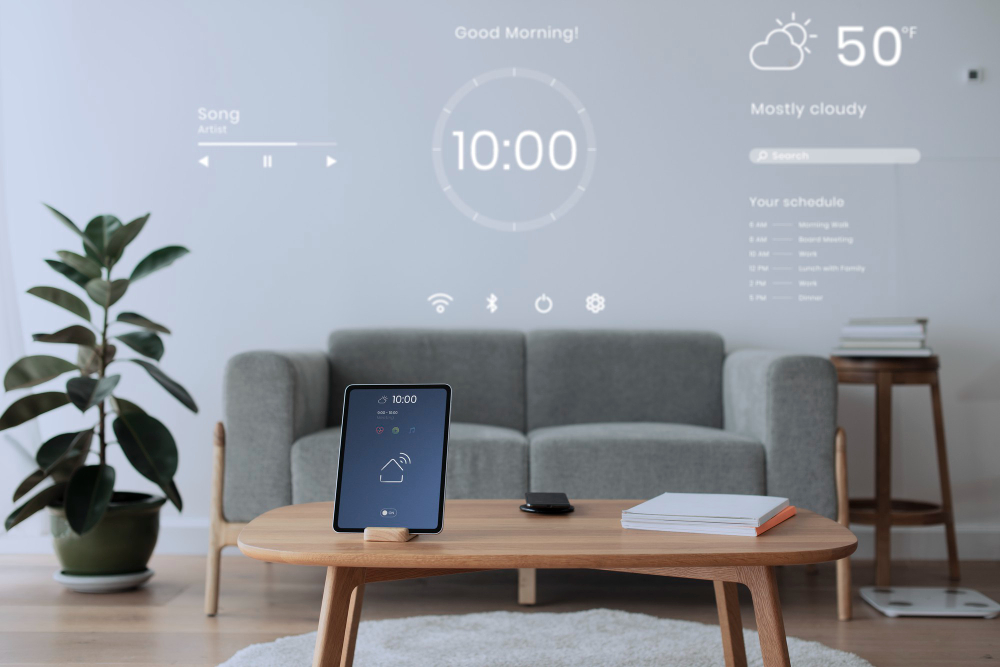
By 2030, smart features won’t be “nice-to-have” amenities; they’ll be the baseline. Buildings will integrate HVAC systems, lighting, water, and security into centralized platforms that landlords and tenants alike can access from smartphones. Smart sensors will monitor everything from air quality to foot traffic, automatically adjusting conditions for comfort and efficiency.
This level of integration means property managers will be able to oversee multiple aspects of a building with a few clicks. Instead of manually scheduling maintenance or checking systems, they’ll receive automated reports and alerts that identify issues before they escalate. Smart infrastructure reduces the reactive approach that has long defined property management.
Tenants will notice the difference immediately. From seamless building access via mobile apps to adaptive lighting in common areas, smart systems will create a living experience that feels intuitive and modern. Managers who invest in this infrastructure now will position their properties as desirable, tech-forward homes in 2030’s rental market.
Energy Efficiency and Sustainability
Sustainability is already shaping rental decisions, but in 2030, it will be inseparable from property management. Smart infrastructure will work in tandem with smart grids and renewable energy systems, helping buildings use power more efficiently and reducing both costs and environmental impact. Automated energy monitoring will allow managers to identify waste, balance usage, and optimize systems in real time.
Tenants are increasingly conscious of their environmental footprint. They want housing that reflects their values while also helping lower their bills. Smart thermostats, energy-efficient appliances, and solar-ready infrastructure will become standard expectations. When properties demonstrate eco-conscious management, they stand out in a crowded marketplace.
For landlords, the shift isn’t just about appealing to tenants. Regulations around emissions and energy usage are tightening worldwide. By adopting smart systems that reduce consumption, property managers ensure compliance and avoid fines while boosting property value through future-proofing.
Data-Driven Decision Making
One of the most transformative aspects of smart infrastructure is the data it produces. Every connected sensor provides insights into building performance, tenant behavior, and long-term trends. By 2030, property managers will rely heavily on real-time data to guide their strategies.
Predictive analytics will shift how maintenance is scheduled, reducing costly emergencies by identifying problems early. Resource allocation, whether it’s staffing, utilities, or vendor contracts, will be optimized using data that highlights inefficiencies. This shift to a proactive model will save both time and money, while improving the tenant experience.
Data also empowers managers to personalize services. By analyzing how tenants use amenities or interact with systems, managers can adjust offerings to meet actual demand. Instead of guessing at upgrades, landlords will make decisions backed by concrete evidence.
The Tenant Experience of 2030
For tenants, smart infrastructure means seamless living. Imagine walking into a building where access is granted through facial recognition or mobile credentials, the apartment temperature is pre-set to your preference, and community notices arrive through an AI assistant rather than a paper slip under the door. By 2030, these conveniences will be expected rather than extraordinary.
Communication will also be streamlined. Chatbots and AI-powered platforms will answer tenant questions 24/7, schedule maintenance, and handle renewals. Tenants will enjoy faster responses while landlords reduce the administrative burden. The challenge will be balancing automation with personal interaction to ensure tenants still feel valued as individuals.
Privacy will remain a concern. With more data being collected, tenants will demand transparency about how information is used and stored. Successful property managers will be those who not only implement smart systems but also demonstrate responsible stewardship of tenant data.
The Role of Property Managers in a Smart Future
The property manager’s role won’t disappear in 2030. It’ll evolve. Instead of spending hours on paperwork or coordinating maintenance, managers will focus on strategy, oversight, and relationship building. Smart infrastructure will handle routine tasks, freeing managers to concentrate on the tenant experience.
This transition is already underway. According to The Earnest Homes, property managers who adopt smart technologies today are seeing measurable improvements in efficiency and tenant satisfaction. By 2030, these practices will be essential to staying competitive.
At the same time, human oversight will remain vital. Tenants may value convenience, but they still want to feel heard and supported. Property managers will become less like administrators and more like customer experience specialists, combining technology with empathy.
Smart Infrastructure and AI Integration
AI will serve as the brain behind smart infrastructure. Systems that once functioned independently, energy, security, and maintenance, will be tied together into cohesive ecosystems. For example, AI could detect increased energy usage from a unit, cross-reference it with occupancy data, and recommend maintenance on an inefficient appliance before it fails.
The financial savings from this integration will be significant. Predictive maintenance reduces emergency repair costs, while optimized energy systems cut utility expenses. These efficiencies improve margins for landlords while keeping rents competitive.
This vision is already beginning to unfold. AI and smart tech are changing property management by integrating technology and creating smarter, more responsive properties. By 2030, this won’t be an emerging trend; it will be standard practice.
Challenges and Risks to Prepare For
While smart infrastructure offers many benefits, it also comes with risks. Cybersecurity will be one of the most pressing concerns as more building systems become interconnected. Hackers targeting locks, cameras, or energy grids pose serious risks, making robust digital defenses as important as physical ones.
Upfront costs are another challenge. Retrofitting older buildings with smart systems can be expensive, and not all landlords will be able to invest immediately. However, as technology becomes more affordable and regulations push for modernization, the cost of not upgrading may outweigh the investment.
Finally, tenant privacy will remain an ongoing issue. Collecting data to optimize services must be balanced with clear policies about usage and consent. Managers who mishandle data risk losing tenant trust, regardless of how advanced their infrastructure is.
Looking Beyond 2030
By 2030, smart infrastructure will already be widespread, but the possibilities extend even further. As cities evolve into smart ecosystems, rental properties will plug into larger networks of energy, transportation, and communication. Imagine properties that automatically adjust energy use based on citywide demand or participate in decentralized energy exchanges.
Blockchain could play a role in automating lease agreements and rent payments, creating faster, more secure transactions. Meanwhile, advances in AI could lead to predictive models that anticipate market shifts, giving landlords a clearer picture of when to invest or adjust rents.
Ultimately, property management will be inseparable from the broader urban infrastructure. Managers who think beyond individual properties and consider their role in a connected city will be best prepared for the future.
Conclusion
Smart infrastructure will redefine property management by 2030. From intelligent building systems to AI-driven decision-making, these innovations promise greater efficiency, sustainability, and tenant satisfaction. The managers who embrace this shift early will benefit from stronger reputations, lower costs, and happier tenants.
But technology alone isn’t enough. Success will depend on pairing smart systems with human oversight, ensuring that tenants feel both supported and secure. By adopting these tools responsibly, landlords and property managers can transform challenges into opportunities, creating rental experiences that feel as modern as the cities of tomorrow.