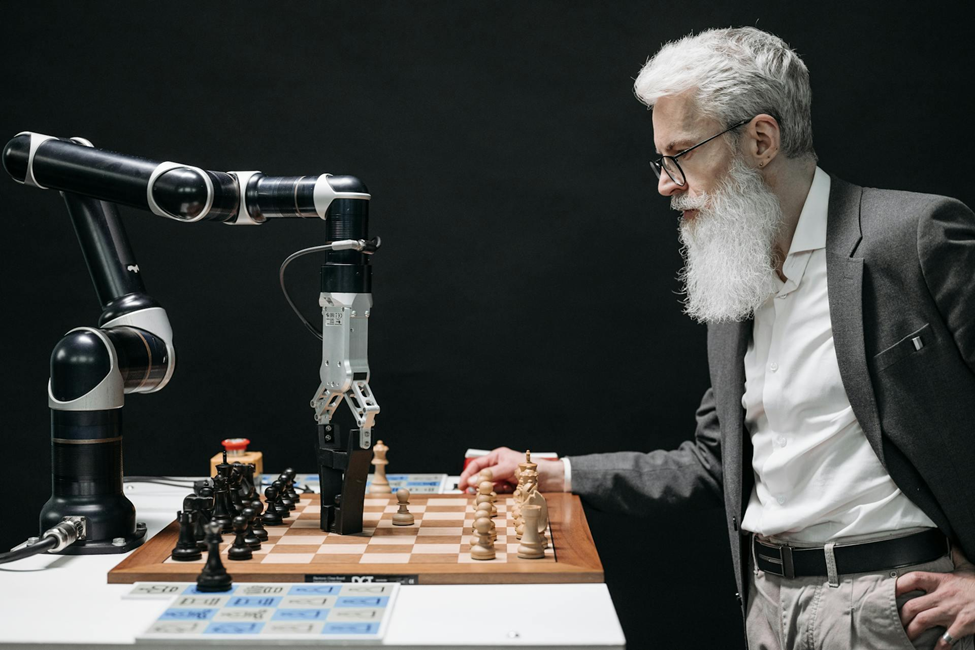
Artificial intelligence is transforming industries at lightning speed. From automating admin tasks to generating content, AI is reshaping how we work, which understandably leaves many people uncertain about their career security. Jobs once considered stable are evolving rapidly, and in some cases, disappearing altogether.
But while AI can streamline processes and crunch data faster than any human, there are areas where technology simply can’t compete: human empathy, creativity, and connection. The good news? Some careers rely so heavily on these traits that they’re virtually “AI-proof.”
Here are five career paths that will remain in high demand, no matter how advanced AI becomes.
1. Personal Trainer
In a world increasingly dominated by technology, becoming a personal trainer is one of the most future-proof career moves you can make. While AI can generate workout plans and track calories, it can’t replicate the personal connection, motivation, and emotional support that a trainer provides.
Being a great personal trainer isn’t just about teaching proper form or designing fitness programs; it’s about understanding each client’s unique needs, building trust, and inspiring lasting lifestyle change. A real trainer reads body language, senses when a client needs encouragement, and creates a positive environment that pushes them toward their goals.
AI might provide the data, but only humans can deliver the empathy and accountability that drive real results. With growing awareness around health, wellbeing, and longevity, the demand for qualified trainers continues to rise, making becoming a personal trainer an innovative, secure, and rewarding career choice for the future.
2. Mental Health Professional
While AI-powered therapy chatbots are gaining popularity, mental health is deeply personal and rooted in human empathy. A therapist, counsellor, or psychologist offers understanding, compassion, and connection, elements that an algorithm can’t replicate.
Clients open up when they feel heard and understood, and that human-to-human bond is crucial for healing. AI can assist with data collection and session summaries, but it can’t replace the warmth, trust, and emotional intelligence needed to support individuals through their most vulnerable moments.
As awareness around mental health continues to grow, this field will remain both essential and resilient against automation.
3. Skilled Tradesperson
From electricians to plumbers, carpenters to mechanics, skilled trades require hands-on expertise that AI simply can’t perform. These roles involve physical dexterity, real-world problem-solving, and adaptability to unique environments.
No two jobs are ever the same in these professions. Fixing a leaking pipe, rewiring an old home, or repairing a car demands on-the-spot decision-making and a practical understanding of materials and tools. While AI can assist with diagnostics or project planning, it can’t climb under a sink or install new wiring for you.
With ongoing shortages of skilled labour across the UK, tradespeople are in high demand, and their roles are firmly future-proof.
4. Early Years Educator or Teacher
Education shapes the next generation, and while AI tools can assist with learning resources, they can’t replace the emotional connection, patience, and adaptability of a teacher.
Children don’t just learn facts; they learn empathy, curiosity, confidence, and social skills. These lessons are taught through human interaction. Teachers and early years educators read their students’ emotions, provide encouragement, and create inclusive environments where young people feel safe to grow.
AI might support teachers with grading or planning, but it will never replicate the magic of a caring educator guiding a student toward their potential.
5. Creative Professional (Artist, Designer, Performer)
AI can generate art, music, and even design logos — but it lacks true creativity. Human creativity is born from emotion, experience, and perspective. The reason we connect with art, music, or performance is because it reflects the human condition — something machines will never genuinely understand.
Whether it’s a designer bringing a brand to life, an actor evoking emotion on stage, or a musician crafting lyrics that resonate, creativity will always require a human touch. As audiences increasingly crave authenticity, creative professions will continue to thrive in the AI era.
Final Thoughts
The rise of AI doesn’t mean the end of human work; it means a shift toward jobs that value empathy, creativity, and connection. These are the skills that make us distinctly human.
If you’re considering a career change, look toward roles that depend on interaction, problem-solving, and emotional intelligence, the things AI can’t replicate. Becoming a personal trainer, for example, offers a rewarding, stable career built around helping others reach their potential, both physically and mentally.
In a world dominated by algorithms, it’s the human element that will always make the difference.