
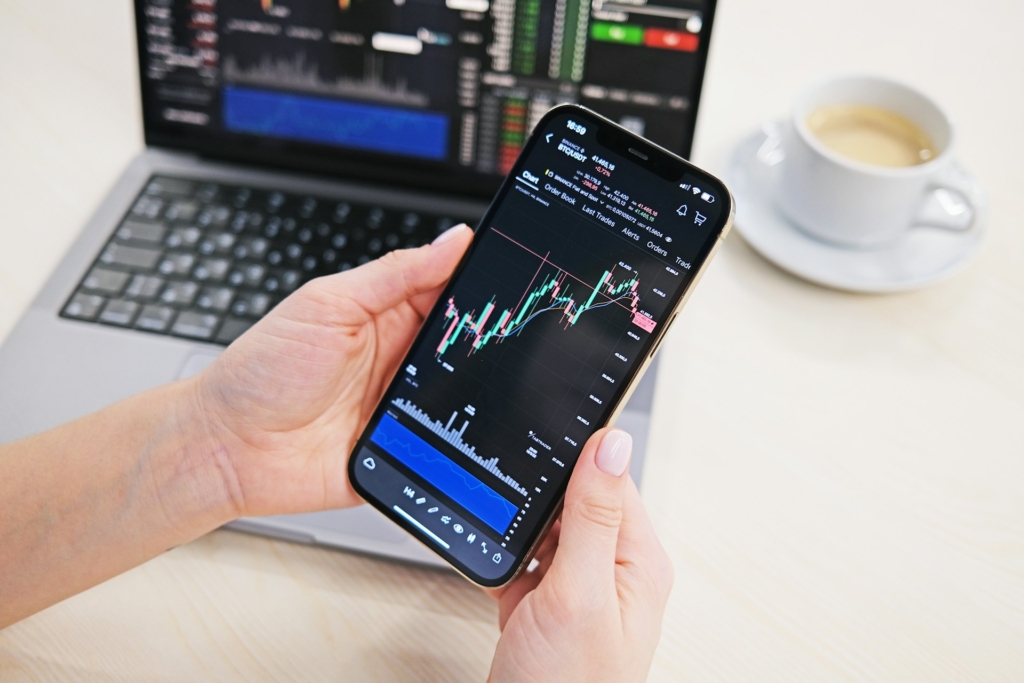
CFDs allow investors to trade on price movements without owning assets.
They’re flexible, accessible, and increasingly popular in modern investing…
Defining CFDs in Simple Terms
A Contract for Difference, or CFD, is a financial agreement between two parties. Instead of buying or selling an asset like stocks or commodities outright, you agree to exchange the difference in its price from when the contract opens to when it closes.
It’s like betting on whether an asset’s value will rise or fall without owning it. If your prediction aligns with market movements, you profit; if not, you incur a loss.
CFDs allow trading on margin—meaning investors only deposit a fraction of the total trade value as collateral. This makes them accessible but increases potential risk and reward.
In short: CFDs are tools for speculating on markets without direct ownership of underlying assets.
How CFDs Work in Practice
When trading a CFD, you open a position based on whether you believe the price of an asset will increase or decrease. You can choose to “go long” if expecting prices to rise, or “go short” if predicting a decline.
Profits or losses are determined by the difference between the opening and closing prices of your contract. If correct, you gain; if wrong, you’ll lose funds proportional to that price change.
CFD trades use leverage. This means only a small percentage of the trade value—called margin—is required upfront. However, while this amplifies potential gains, it also increases risks significantly.
Trades are executed through brokers who offer access to multiple global markets using these contracts as their primary mechanism.
Key Advantages of Trading with CFDs
CFDs offer flexibility to trade across a wide range of markets, including stocks, indices, commodities, forex, and cryptocurrencies. This diversity allows investors to diversify their portfolios without managing multiple accounts or assets.
Leverage is another key advantage. It enables traders to open larger positions than their capital alone would allow. Even small price movements can yield significant profits when leverage is used wisely.
CFD trading also provides the option for both upward and downward speculation. Investors can profit from rising or falling markets by choosing long or short positions.
Additionally, CFDs often have lower transaction costs compared to traditional investments.
Potential Risks Involved in CFD Investments
You need to know that CFDs come with potential risks, especially due to leverage. While it amplifies potential profits, it also magnifies losses, which can exceed your initial investment if the market moves against you.
Market volatility is another challenge. Sudden price shifts can result in rapid losses, particularly for positions that are not adequately monitored or managed.
Since CFDs involve margin trading, there’s a risk of margin calls. If your account value drops below the broker’s requirement, you’ll need to deposit more funds or close positions to cover the shortfall.
Additionally, some brokers impose overnight fees for holding positions open beyond trading hours. This adds up over time and reduces profitability unless trades are closed quickly.
Careful risk management strategies are essential when using CFDs.
Understanding CFD Market Accessibility
CFDs open the door to trading opportunities across global markets.
As mentioned, they cover a variety of asset classes, such as stocks, forex, commodities, and cryptocurrencies. This makes them appealing to investors seeking diverse exposure without needing multiple brokerage accounts.
One major benefit is accessibility. Many platforms allow you to start with minimal capital while offering advanced tools for analysis and execution.
For instance, brokers like AxiCorp provide traders access to CFDs on a range of international assets through a streamlined platform designed for ease of use.
CFDs also offer flexibility in trade size—investors can choose smaller positions tailored to their risk tolerance or strategy.
This adaptability has made CFDs increasingly popular among modern retail traders who value market reach without significant financial barriers upfront.
Why Should Modern Investors Care about CFDs?
Here’s the takeaway: CFDs offer unparalleled market flexibility, enabling investors to trade diverse assets without direct ownership. They provide opportunities to profit in both rising and falling markets while requiring minimal upfront capital through leverage.
For modern investors seeking cost-efficient, accessible trading options across global markets, CFDs represent a versatile tool that aligns with evolving investment strategies!