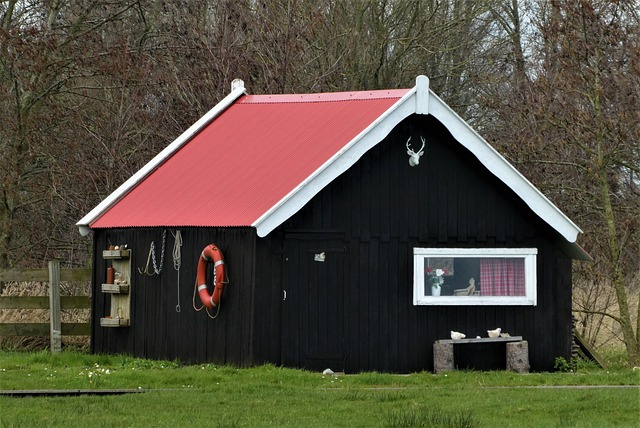
In today’s fast-paced and highly mobile industries, remote worksites have become a common part of construction, mining, infrastructure, and energy projects. Whether you’re operating in the Australian outback, on a mining site, or at a regional construction site, one thing is certain: proper on-site facilities are critical to project success. Among the most valuable assets for these environments are site sheds, modular, transportable buildings that offer a range of functional benefits.
Here’s why site sheds are essential for remote worksites and how they contribute to efficiency, safety, and workforce wellbeing.
Provide Essential Facilities and Shelter
Remote worksites are often exposed to harsh weather conditions—extreme heat, cold, rain, and strong winds. Site sheds offer much-needed protection and shelter for workers, tools, and sensitive equipment. They can be configured to include lunchrooms, break areas, kitchens, changing rooms, and toilets, ensuring the basic needs of workers are met even in the most isolated locations. Without them, teams are left without a safe space to rest, eat, or regroup, which can impact both productivity and morale.
Boost Worker Comfort and Wellbeing
Worker wellbeing is not just a luxury—it’s a legal and ethical responsibility. Site sheds create a comfortable space for workers to take breaks, escape extreme weather, and recover from physically demanding tasks. Proper rest and amenities directly influence job satisfaction, reduce stress, and lower the risk of fatigue-related accidents. When workers have access to air-conditioned site offices, hygienic toilets, and clean break rooms, it helps foster a healthier and more positive working environment.
Enable Efficient Project Management
Site sheds often serve as onsite offices for supervisors, engineers, project managers, and safety officers. Having a dedicated workspace on-site improves coordination, decision-making, and oversight. These mobile offices can be equipped with desks, internet connections, computers, printers, and communication systems, enabling administrative tasks, meetings, and reporting to happen right where the work is taking place. This leads to faster responses to onsite issues and minimizes the delays that can come from working remotely without a base.
Support Safety and Compliance
Safety is a top priority on any worksite, especially in remote areas where emergency services may be hours away. Site sheds often include first-aid rooms, emergency muster points, and safety briefing areas, providing essential support in case of accidents or incidents. They also help companies meet regulatory requirements for worker welfare, which include access to clean facilities and safe working conditions. Without site sheds, businesses risk non-compliance, which can lead to penalties, work stoppages, or even project shutdowns.
Offer Flexibility and Scalability
One of the greatest advantages of site sheds is their modular design, which makes them highly flexible. As project needs change, site sheds can be easily relocated, expanded, or reconfigured. Whether you need additional office space, storage, or accommodation, site sheds can be added or adjusted without major disruption to operations. This scalability is crucial for dynamic projects where workforce size and facility demands fluctuate over time.
Protect Tools and Equipment
In addition to accommodating people, site sheds can also function as secure storage for tools, equipment, and valuable materials. Theft, vandalism, and weather damage are real risks at remote worksites, and site sheds provide a lockable, weatherproof solution. This helps reduce losses, protect assets, and ensure that equipment remains in good working condition—saving businesses time and money.
Enhance Sustainability and Environmental Management
Modern site sheds are often designed with sustainability in mind. Many come equipped with energy-efficient lighting, solar panels, water-saving fixtures, and waste management systems. This is especially important on remote worksites, where minimizing environmental impact is both a regulatory requirement and a corporate responsibility. By using eco-friendly site sheds, companies can reduce their carbon footprint and promote responsible resource use.
Conclusion
Site sheds are much more than temporary buildings—they are critical infrastructure that supports the success of remote worksites. From improving worker comfort and safety to boosting management efficiency and protecting assets, site sheds play a key role in keeping projects on track and on budget.
Investing in high-quality site sheds is not just a practical decision; it’s a strategic one that can improve productivity, enhance team morale, and help ensure compliance with legal and environmental standards. For any business operating in remote or challenging environments, site sheds are not just essential—they’re indispensable.