Piso WiFi has become a cornerstone of affordable internet access across the Philippines, particularly in public spaces, small businesses, and residential areas. These coin-operated WiFi vending machines allow users to purchase internet time at extremely affordable rates, typically starting at just one peso per session.
At the heart of every Piso WiFi system lies the 10.0.0.1 portal—a web-based interface that serves as the control center for both users and administrators. This gateway provides essential features including user login, session management, logout options, and the increasingly popular Pause Time feature.
Understanding how to properly use the Pause Time, Login, and Logout functions can significantly enhance your Piso WiFi experience. For users, these features mean better control over purchased internet time and avoiding unnecessary wastage. For administrators, they provide robust tools for managing their vending operations, monitoring usage, and maximizing customer satisfaction.
What is 10.0.0.1 Piso WiFi Portal?
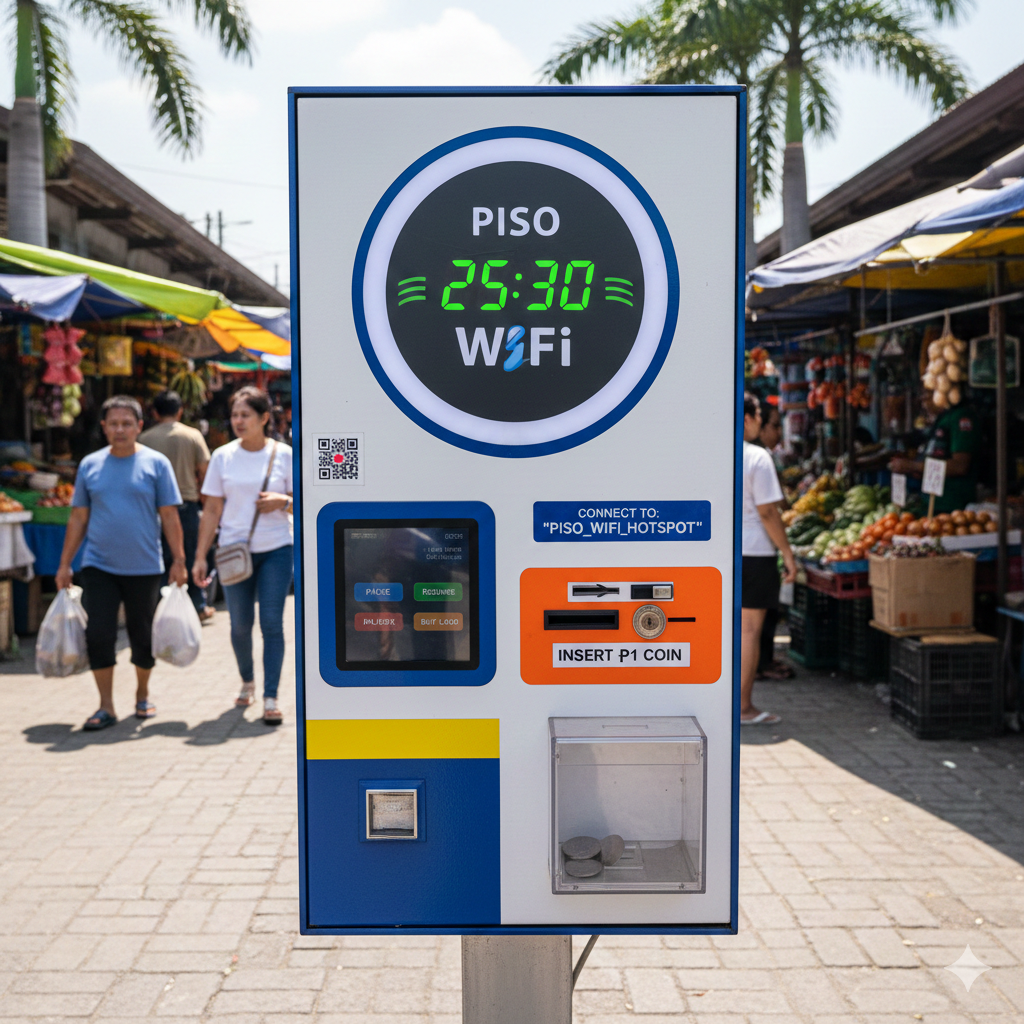
The IP address 10.0.0.1 is a private network address commonly used as the default gateway for Piso WiFi systems. Think of it as the “home address” of your Piso WiFi router where all configuration and user management happens.
Understanding the IP Address
10.0.0.1 belongs to the Class A private IP address range, which means it’s designed for use within local networks rather than the public internet. When you connect to a Piso WiFi network, your device communicates with this address to access the internet and manage your session.
Dual Dashboard System
The portal typically features two distinct interfaces:
User Dashboard: This simplified interface allows customers to log in, check their remaining time and data, pause their session, and log out when finished.
Admin Dashboard: A more comprehensive control panel that enables operators to configure pricing, manage user sessions, set time limits, monitor revenue, and customize network settings.
Common Devices Using This IP
Most Piso WiFi vending machines in the Philippines use the 10.0.0.1 address, including popular systems like LPB Piso WiFi, ADO Piso WiFi, and various custom-built vending solutions. These devices typically combine a router with specialized software designed specifically for coin-operated internet access.
How to Access the 10.0.0.1 Piso WiFi Portal

Steps for Users
Accessing the user portal is straightforward and takes just a few moments:
First, ensure your device’s WiFi is enabled and search for available networks. Look for the Piso WiFi network name, which often includes identifiers like “PisoWiFi,” “LPB,” or the establishment’s name.
Once connected to the network, open any web browser on your device. Type http://10.0.0.1 into the address bar and press enter. Most systems automatically redirect you to this portal when you first connect, displaying a splash page where you can insert coins or enter a voucher code.
After payment, you’ll see your session timer begin, along with options to pause your time or check your remaining balance. The interface is designed to be user-friendly, with clear buttons and real-time information about your connection.
Steps for Admin
Administrators need to access a separate section of the portal with enhanced privileges:
Navigate to http://10.0.0.1/admin or click the designated admin login link on the main portal page. You’ll be prompted to enter administrative credentials.
Default login details vary by manufacturer but commonly include usernames like “admin” or “administrator” with passwords such as “admin,” “password,” or “1234.” However, these should be changed immediately after initial setup.
Security Tips for Admins
Never leave default credentials unchanged, as this makes your system vulnerable to unauthorized access. Create a strong password combining uppercase and lowercase letters, numbers, and special characters. Consider changing the admin username as well for an additional layer of security.
Enable any available security features such as MAC address filtering or access time restrictions. Regularly review user logs to detect any unusual activity, and always log out of the admin panel when you’re finished making changes.
Piso WiFi Login: Step-by-Step Guide
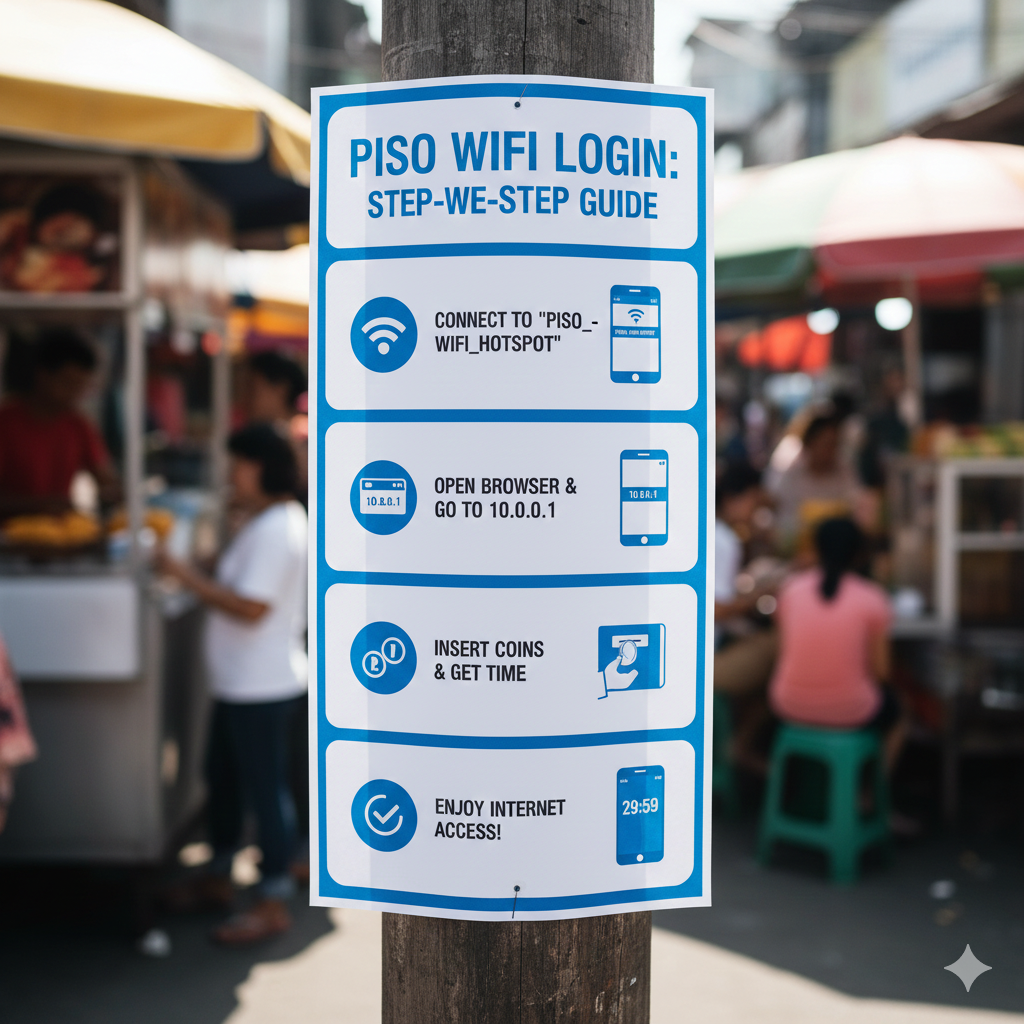
Starting your internet session through a Piso WiFi system is designed to be quick and intuitive, even for first-time users.
The Login Process
After connecting to the Piso WiFi network, your browser should automatically open the portal page. If it doesn’t, manually navigate to 10.0.0.1. You’ll see the payment interface displaying available time packages and their corresponding prices.
Insert coins into the vending machine or enter a voucher code if you’ve purchased one. The system immediately recognizes your payment and activates your internet session. A confirmation screen appears showing your session start time, duration, and a timer counting down your remaining minutes.
Checking Your Session Status
Throughout your session, you can return to the portal at any time to view your remaining time and data allowance. Simply revisit 10.0.0.1 in your browser, and the dashboard will display your current session information without requiring another login.
Many systems also show your connection speed, total data consumed, and the exact time when your session will expire. This transparency helps you plan your internet usage effectively.
Common Login Issues and Solutions
If you’re having trouble logging in, first verify that you’re properly connected to the Piso WiFi network. Check your device’s WiFi settings to confirm the connection is active.
Clear your browser’s cache and cookies, as stored data from previous sessions can sometimes interfere with the portal. Try using a different browser or switching to incognito mode to rule out browser-specific issues.
Ensure your device’s time and date settings are correct, as significant discrepancies can cause authentication problems. If the portal page won’t load at all, try disabling any VPN or proxy services that might be routing your traffic differently.
Piso WiFi Logout: How to End Your Session Safely

Properly logging out of your Piso WiFi session is just as important as logging in, though many users overlook this step.
Manual Logout Process
To end your session, navigate back to the 10.0.0.1 portal page. Look for the “Logout” button, typically positioned prominently on the user dashboard. Click this button and wait for confirmation that your session has ended.
The system should display a message confirming your logout and showing any unused time remaining on your account. Some systems allow you to save this unused time for a future session, while others may forfeit it upon logout.
Why Proper Logout Matters
Logging out explicitly prevents several potential problems. Without a proper logout, someone else could potentially use your remaining time if they gain access to your device or if you’re on a shared computer. This is particularly important in public spaces like internet cafes or community centers.
Additionally, failing to log out may keep your session active even after you’ve left, wasting the time you’ve paid for. Some systems interpret continued inactivity as an abandoned session and will eventually timeout, but this isn’t guaranteed across all implementations.
Auto-Logout Features
Most modern Piso WiFi systems include automatic logout mechanisms for user protection. If your device disconnects from the network for an extended period, the system typically pauses your session and eventually logs you out completely.
Similarly, when your purchased time expires, the system automatically ends your session and disconnects your device from the internet. You’ll need to purchase more time to reconnect, but this prevents you from unknowingly attempting to use an expired session.
Piso WiFi 10.0.0.1 Pause Time: Complete Guide
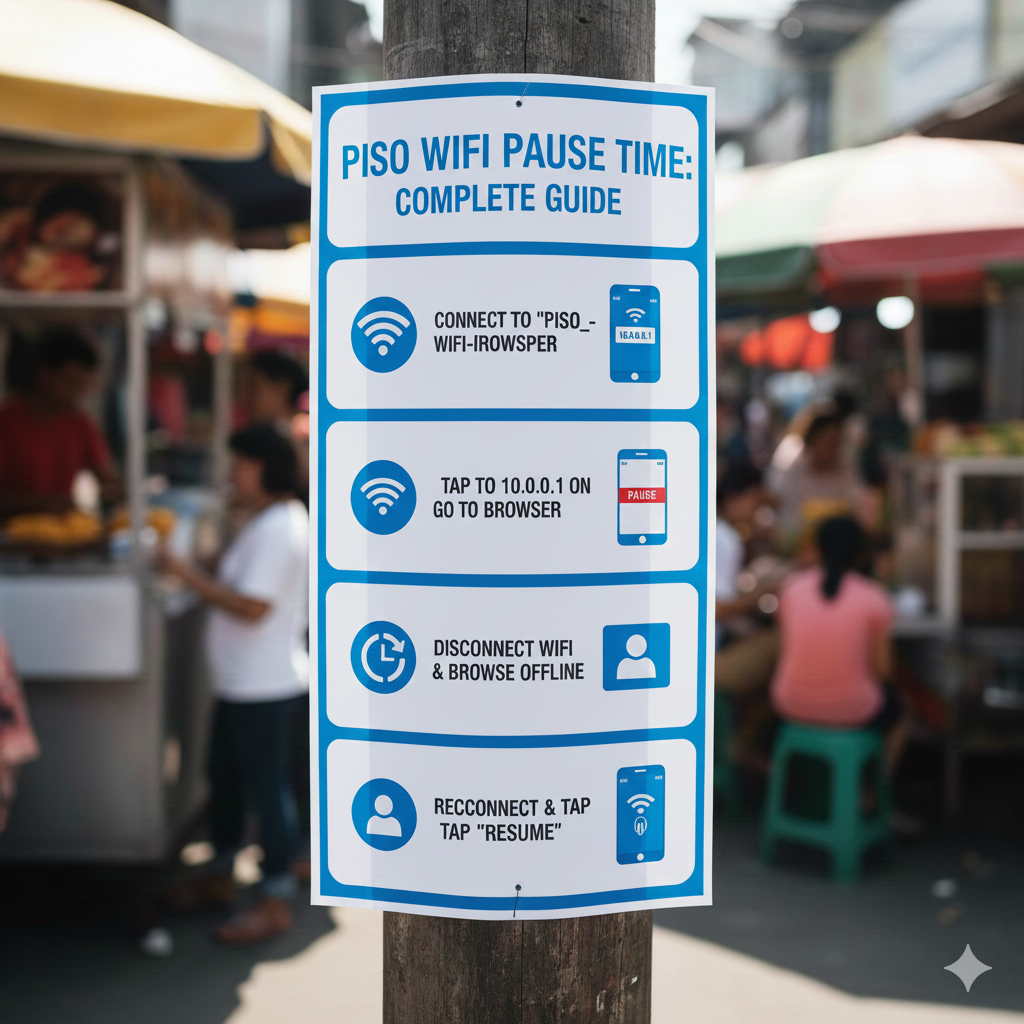
The Pause Time feature represents one of the most valuable innovations in Piso WiFi technology, giving users unprecedented control over their internet sessions.
What Is Pause Time in Piso WiFi?
Pause Time allows you to temporarily suspend your internet session without losing your remaining minutes. When activated, your session timer stops counting down, effectively freezing your purchased time until you’re ready to resume.
This feature addresses a common frustration with traditional time-based internet services: the continuous countdown that forces users to stay online even when they need to step away. With Pause Time, you pay only for the time you actually use.
Benefits for Users
The advantages of Pause Time extend beyond simple convenience. Students can pause their session between classes without wasting precious study time. Workers can take lunch breaks without their session expiring. Anyone experiencing a poor connection can pause rather than watching minutes tick away during network issues.
Perhaps most importantly, Pause Time maximizes the value of every peso spent. In areas where even small amounts of money carry significant weight, avoiding wastage of purchased internet time can make a meaningful difference in someone’s budget.
How to Use Pause Time (Step-by-Step)
Using the Pause feature is remarkably simple. While connected to your Piso WiFi session, open your browser and navigate to 10.0.0.1 to access the user dashboard.
On the main dashboard screen, locate the “Pause Time” or “Pause Session” button. It’s typically displayed prominently alongside your session timer and remaining balance. Click this button once.
The system responds immediately, stopping your session timer. You’ll see a confirmation message indicating your session is now paused, along with the exact amount of time remaining when you paused. Your internet connection will be suspended during this period—you won’t be able to browse or use online services.
When you’re ready to continue, return to the portal at 10.0.0.1 and click the “Resume” button. Your session timer picks up exactly where it left off, and your internet access is restored instantly.
When to Use Pause Time
Understanding the optimal moments to pause your session helps you get maximum value from the feature. Pause when you need to leave your device unattended for more than a few minutes, whether to run an errand, attend to other business, or take a break.
If you’re experiencing poor signal strength or slow connection speeds, pausing allows you to wait for conditions to improve without burning through your purchased time. This is particularly useful in areas with intermittent connectivity.
When switching between devices—say, from your phone to a laptop—pause your session on the first device before connecting the second. This prevents confusion and ensures your timer doesn’t run on multiple devices simultaneously.
Many users also pause their sessions overnight or during extended breaks, resuming the same session the following day rather than purchasing new time. This strategy can significantly extend the usability of each purchase.
Limitations of Pause Time
While incredibly useful, Pause Time does have some constraints you should understand. Not all Piso WiFi models or firmware versions support this feature. Older systems or budget models may lack the necessary software capabilities.
Some systems impose limits on how many times you can pause within a single session or set maximum pause durations. After a certain period—often 24 to 48 hours—a paused session may expire automatically, forfeiting any remaining time.
Additionally, system administrators can configure pause restrictions, potentially limiting the feature during peak hours or for certain user tiers. Always check with the specific Piso WiFi operator to understand the pause policies for that particular location.
Admin Settings for Pause Time (Advanced Section)
For operators and administrators, the Pause Time feature includes extensive configuration options that balance user convenience with business needs.
Enabling or Disabling the Pause Feature
Within the admin dashboard at 10.0.0.1/admin, navigate to the session management or user controls section. Look for settings related to Pause Time functionality. Toggle the feature on or off based on your operational preferences.
Some administrators disable pausing during high-traffic periods to ensure consistent customer turnover and maximize revenue. Others keep it enabled at all times as a competitive advantage that attracts more users.
Adjusting Session Rules
Configure how long users can pause their sessions before automatic expiration. Shorter limits encourage regular use and prevent indefinite session squatting, while longer limits provide greater flexibility for customers.
Set rules for how many pause-resume cycles are permitted per session. Unlimited pauses offer maximum flexibility but may complicate session management, while limits help standardize user behavior.
You can also establish different pause policies for different time packages. Premium purchases might include extended pause privileges, while basic packages have stricter limitations.
Setting Price and Rate Controls
The admin panel allows precise control over pricing structures. Configure rates per minute, hour, or data volume. Create bundled packages that offer better value for longer sessions, encouraging users to purchase more time upfront.
Implement time-of-day pricing if desired, charging premium rates during peak hours and offering discounts during slower periods. This dynamic pricing can help manage network congestion while maximizing revenue.
Monitoring Activity and Logs
Regularly review the system logs accessible through the admin dashboard. These records show user connection times, pause usage patterns, total data consumed, and revenue generated.
Analyzing this data helps you understand customer behavior and optimize your service. If users frequently pause sessions at certain times, consider adjusting your pricing or promotional strategies accordingly. High data consumption might indicate the need for bandwidth management or upgraded infrastructure.
Troubleshooting Piso WiFi 10.0.0.1 Issues
Even well-maintained Piso WiFi systems occasionally encounter technical problems. Understanding common issues and their solutions helps minimize downtime and frustration.
10.0.0.1 Portal Not Opening
When the portal page fails to load, start with basic connectivity checks. Verify your device is actually connected to the Piso WiFi network by checking your WiFi settings. Sometimes devices appear connected but haven’t received a valid IP address from the router.
Try disconnecting and reconnecting to the network, which forces your device to re-establish the connection and obtain fresh network settings. Restart your device completely if reconnecting doesn’t help, as this clears temporary network configurations that might be causing conflicts.
Ensure you’re typing the address correctly: http://10.0.0.1 with no extra characters or spaces. Some users mistakenly add “www” or “.com” which prevents the page from loading. Use HTTP specifically, not HTTPS, as most Piso WiFi systems don’t use secure certificates.
Incorrect Login Credentials
For administrators unable to access the admin panel, first try all common default credentials. Consult your system’s documentation or contact the manufacturer for the correct defaults if you haven’t changed them.
If you’ve changed credentials and forgotten them, most systems include a password recovery process or a physical reset button on the router. Be aware that resetting typically erases all custom configurations, returning the system to factory defaults.
Portal Not Loading or Timing Out
Slow or failed portal loading often indicates network congestion or router performance issues. Check if multiple users are connected simultaneously, as bandwidth limitations can slow the system’s response.
Clear your browser’s DNS cache by typing chrome://net-internals/#dns in Chrome (or equivalent commands in other browsers) and clicking “Clear host cache.” This forces your browser to request fresh DNS information.
Disable browser extensions temporarily, as ad blockers or privacy tools sometimes interfere with captive portal pages. Try accessing the portal in incognito or private browsing mode to rule out extension conflicts.
Pause Button Missing
If the Pause Time button doesn’t appear on your user dashboard, the feature may be disabled by the administrator or unsupported by your system’s firmware version. Contact the Piso WiFi operator to inquire about pause availability.
Sometimes the button is present but not visible due to display issues. Try zooming out in your browser or rotating your mobile device to landscape orientation to reveal interface elements that might be hidden.
Network Not Redirecting to Dashboard
Modern devices use various techniques to detect captive portals, but these don’t always work perfectly. If your device doesn’t automatically redirect to 10.0.0.1, manually open a browser and type the address.
Disable mobile data on smartphones before connecting to Piso WiFi, as devices often prefer cellular connections over WiFi networks requiring authentication. Some phones display a notification about the WiFi requiring sign-in—tap this notification to access the portal directly.
Tips for Smooth Piso WiFi Experience
Maximizing your Piso WiFi usage requires understanding both the technology and best practices for efficient internet consumption.
Maintaining Stable Connections
Position yourself as close to the Piso WiFi router as reasonably possible, especially in crowded venues where signal strength varies. WiFi signals weaken with distance and obstacles, so proximity directly impacts your connection quality.
Avoid areas with significant interference from other electronic devices, metal structures, or thick walls. If you notice persistent connection drops, try relocating to a different spot within the coverage area.
Keep your device’s WiFi driver or operating system updated, as manufacturers regularly release improvements that enhance connectivity and resolve compatibility issues.
Secure Login and Logout Habits
Always verify you’re connecting to the legitimate Piso WiFi network by confirming the network name with posted signage or the operator. Fake networks with similar names are sometimes used for malicious purposes.
Never save payment information or sensitive passwords while using public WiFi systems. Even legitimate Piso WiFi networks are shared environments where proper security practices matter.
Make logging out a consistent habit, especially on shared devices. Taking this extra second protects your remaining time and prevents unauthorized usage.
Optimizing Device Management
When switching devices mid-session, always pause on the first device before connecting the second. This prevents the system from maintaining multiple active sessions simultaneously, which can cause confusion and waste time.
If you need to use multiple devices during a single session, check whether your Piso WiFi system allows simultaneous connections. Many restrict sessions to one device at a time for fairness and bandwidth management.
Keeping the Admin Panel Secure
Administrators should establish regular maintenance schedules for their systems. Update firmware when new versions become available, as these often include security patches and feature improvements.
Change administrative passwords periodically and never share credentials with unauthorized individuals. Treat the admin panel with the same security mindset you would apply to banking systems or other sensitive interfaces.
Consider enabling access logging to track who enters the admin panel and when. This audit trail proves invaluable if security issues arise.
Frequently Asked Questions
Why is 10.0.0.1 not working?
The most common reasons include improper connection to the Piso WiFi network, typing the address incorrectly, browser cache issues, or router problems. Follow the troubleshooting steps outlined earlier, starting with verifying your network connection and clearing browser data.
Can I pause my time anytime?
This depends on the specific Piso WiFi system and administrator settings. Most systems that support Pause Time allow you to pause at any moment during an active session. However, some operators restrict pausing during peak hours or after a certain number of pause cycles.
Does pausing extend my validity period?
Pausing stops your session timer, preserving your remaining minutes for later use. However, most systems impose absolute expiration dates regardless of pausing. A session might remain valid for 24-48 hours from purchase, after which it expires even if extensively paused.
What should I do if the logout button doesn’t work?
Try refreshing the portal page or accessing it from a different browser. If the button remains unresponsive, simply disconnecting from the WiFi network will eventually trigger an automatic logout, though this may take several minutes. Report persistent logout issues to the administrator.
How do I know if Pause Time is available?
The feature should be visible on your user dashboard at 10.0.0.1 as a clearly labeled button. If you don’t see it, the system either doesn’t support pausing or the administrator has disabled it. Ask the operator directly about pause availability.
Can administrators see what websites I visit?
Yes, network administrators have technical capability to view connection logs, including websites accessed and data consumed. Reputable operators respect user privacy and use this information only for network management, but you should assume any activity on public WiFi is potentially observable.
Conclusion
Understanding how to effectively use the Piso WiFi 10.0.0.1 portal—particularly the Login, Logout, and Pause Time features—transforms your experience from merely using a service to actively managing your internet resources. These tools represent more than convenient features; they embody the democratization of internet access, giving users unprecedented control over how they consume and pay for connectivity.
For users, mastering these functions means squeezing maximum value from every peso spent. The ability to pause sessions eliminates the waste that plagued earlier coin-operated internet models, while proper login and logout practices ensure your purchased time serves only you.
For administrators and entrepreneurs, these features represent competitive advantages that attract and retain customers. A well-configured Piso WiFi system with user-friendly pause functionality stands out in a crowded market, building customer loyalty and driving repeat business.
As Piso WiFi technology continues evolving, features like Pause Time demonstrate how responsive the industry remains to user needs. By taking time to understand your system’s capabilities and following best practices for security and efficiency, you contribute to a better internet ecosystem for everyone in your community.
Whether you’re a daily user relying on Piso WiFi for essential connectivity or an operator building a business around affordable internet access, the knowledge contained in this guide empowers you to make the most of this remarkable technology that has connected millions across the Philippines.