|

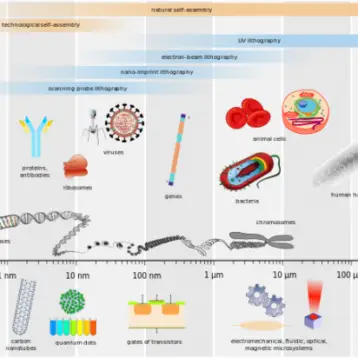
Carbon nanotubes (CNTs) are tubular cylinders of carbon atoms that have electrical, mechanical, optical, thermal, and chemical characteristics. Distinct carbon nanotubes can conduct electricity better than copper, boasts higher tensile strength than steel, and absorbs heat better than diamond. In electronic applications, carbon nanotubes can have greater mobility compared to a single crystal silicon. To add to this, CNT is over 10,000 times thinner than a human hair.
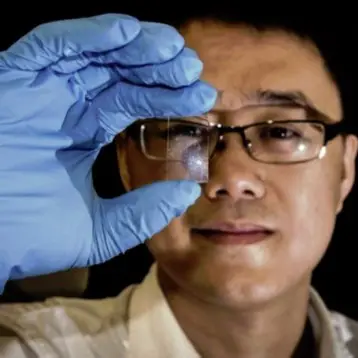
There are multiple forms of carbon nanotubes varying in diameter, length, and in the tendency of the nanotubes to form ropes and bundles of tubes. Some forms of carbon nanotubes are metallic and highly conducting, whereas other forms are semiconducting, and can form the basis of electronic switches. One of the more remarkable attributes of CNT is that it is electrically conductive, but nearly totally translucent. The film is approximately 50 nanometers thick, and incredibly porous.
|

Unidym’s president and CEO, Mr. Arthur L. Swift recently said: “Our ongoing successful collaboration with Samsung Electronics has delivered yet another world’s first achievement this year.” Samsung has previously demonstrated a 2.3 inch black and white active matrix EPD made with carbon nanotubes. This latest innovation is an achievement for the two companies as they have incorporated carbon nanotube transparent electrodes into current display technologies, with color and at a larger A4 size.
The major requirements needed to complete the new display were that the conductivity of the film must be analogous to current ITO technology (transparent semiconducting material used as an electrode on flat-panel displays), there must be evenness over large areas in films, and compatibility with different display technologies and fabrication processes must be present.
The company also mentions that the EPD has important advantages over conventional flat panel displays. EPDs have very low power consumption and bright light readability, which means that even under bright lights or sunlight, the user would be able to view the display clearly. Furthermore, since the device uses the thin CNT films, applications can include e-paper and displays with thin, flexible substrates. Power consumption is lowered due to the EPD’s ability to reflect light and therefore able to preserve text or images on the display without frequently refreshing.
|

The films are produced for various types of touch screens which can be applied at point-of-sale terminals, games, portable computers, cell phones, personal digital assistants, and many others applications. In the future the company hopes to apply this large-area transparent conductor into LCD displays, plastic solar cells, and organic LED lighting.
TFOT recently covered E-Ink’s next generation segmented display cells which are now available as well as our in-depth coverage of electronic paper technology. You can also check out our article about plastic transistors in future flexible displays, which by using organic sources can enhance electrical and mechanical properties. Read about flexible computers that conform to any shape and imagine if your computer looked and worked like a magazine or a piece of paper to be tucked away into your pockets.
Additional information on CNT can be found at the Unidym website.