
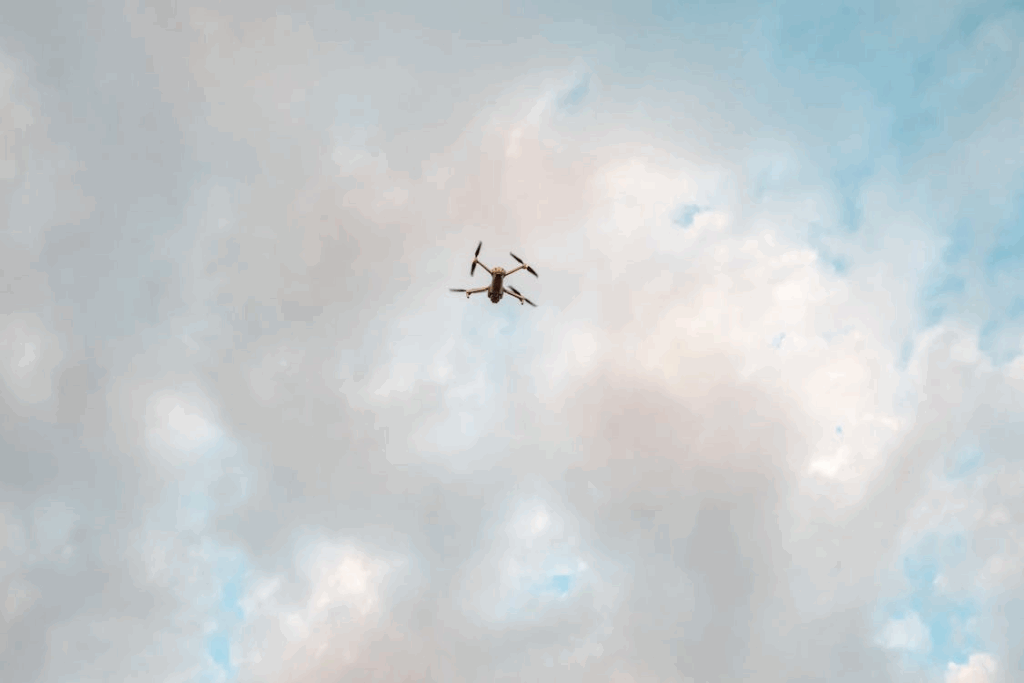
Want to see the future of package delivery?
Unmanned vehicles are about to completely revolutionize how we think about urban logistics. We’re not talking about some distant sci-fi fantasy here – this transformation is happening right now, today.
Here’s the kicker:
The logistics industry is facing some massive challenges. Traffic congestion, rising fuel costs, environmental concerns, and the never-ending demand for faster deliveries are pushing traditional ground transportation to its breaking point.
But here’s where unmanned vehicles come in to save the day…
What you’ll discover:
- Why Unmanned Vehicles Are The Game Changer Urban Logistics Needs
- The Technology Behind Modern UAV Delivery Systems
- Real-World Applications That Are Already Working
- What The Numbers Tell Us About This Explosive Growth
Why Unmanned Vehicles Are The Game Changer Urban Logistics Needs
The global unmanned aerial vehicle market is absolutely exploding. We’re talking about USD 36.41 billion in 2024, projected to hit USD 125.91 billion by 2032. That’s a mind-blowing 17.3% growth rate!
Think about it:
Traditional delivery trucks get stuck in traffic for hours. They burn fossil fuels, contribute to urban pollution, and can take forever to navigate crowded city streets. Meanwhile, unmanned vehicles fly right over all that chaos.
When you need reliable technology solutions for urban logistics, working with a trusted cube pilot partner in North America can make all the difference in implementing these advanced unmanned vehicle systems effectively.
These aerial systems can:
- Bypass traffic entirely by taking direct aerial routes
- Reduce delivery times from hours to minutes
- Cut operational costs dramatically compared to traditional methods
- Access hard-to-reach locations that trucks simply can’t handle
The Technology Behind Modern UAV Delivery Systems
The unmanned vehicles being developed today aren’t your kid’s toy drones. We’re talking about sophisticated autonomous systems equipped with cutting-edge technology.
Modern delivery drones use GPS, computer vision, and AI-powered obstacle avoidance to navigate complex urban environments safely. Today’s unmanned vehicles can carry payloads ranging from small packages to medical supplies weighing several kilograms.
Here’s where it gets really cool…
These systems don’t need human pilots for every flight. They use machine learning algorithms to optimize routes, predict maintenance needs, and even coordinate with other aircraft in busy airspace.
The technology has advanced so much that delivery costs are expected to plummet. Right now, drone deliveries cost between $6 and $25 per delivery. By 2034, experts predict that cost will drop to around just $2 per delivery.
Real-World Applications That Are Already Working
Don’t think this is all theoretical. Unmanned vehicles are already making a real impact in urban logistics across multiple sectors.
Healthcare Logistics Revolution
In healthcare, unmanned vehicles are literally saving lives. Companies like Zipline have successfully delivered medical supplies to remote areas, and now they’re expanding into urban environments.
Emergency medical deliveries that used to take hours can now be completed in minutes. Blood samples, medications, and medical equipment are being transported across cities with unprecedented speed.
E-Commerce Integration
Major retailers are investing heavily in unmanned vehicle technology. Amazon, UPS, and other logistics giants are building drone delivery networks that will serve millions of customers.
Current projections show we’ll see 5 million business-to-consumer drone deliveries worldwide in 2024, jumping to an incredible 808 million deliveries within ten years.
Food Delivery Services
Restaurant and food delivery services are embracing unmanned vehicles to offer ultra-fast delivery in dense urban areas. Instead of waiting 30-45 minutes for a delivery driver to navigate traffic, customers can receive their orders in under 15 minutes via drone.
What The Numbers Tell Us About This Explosive Growth
Let’s look at some hard data that shows just how massive this opportunity really is.
North America currently leads the pack with a commanding 34.36% market share in 2024. This dominance comes from heavy investment in defense applications and widespread adoption of drone technology.
The urban unmanned aerial vehicle market specifically was valued at USD 18.27 billion in 2025 and is projected to reach USD 39.42 billion by 2030. That’s a solid 16.7% annual growth rate.
Advanced air mobility could serve approximately 67% of the global population, potentially replacing 389 billion traditional deliveries worldwide by 2034.
The Infrastructure Challenge
Now, let’s be real about the challenges…
Urban logistics with unmanned vehicles isn’t just about the drones themselves. Cities need to build the infrastructure to support these operations safely and efficiently.
Managing hundreds of unmanned vehicles in busy urban airspace requires sophisticated traffic management systems. We’re talking about digital corridors and real-time coordination between aircraft.
Drones also need safe, accessible landing zones throughout urban areas. This means developing rooftop landing pads, designated delivery zones, and charging stations strategically placed across cities.
Governments are working hard to create regulations that enable safe unmanned vehicle operations while protecting public safety.
Battery Technology and Range Limitations
One of the biggest technical challenges facing unmanned vehicles in urban logistics is battery technology.
Most delivery drones can operate for 30-60 minutes on a single charge, limiting their range and payload capacity. This works fine for short urban deliveries but becomes challenging for longer routes.
Companies are developing battery-swapping systems, hybrid propulsion, and even hydrogen fuel cells to extend operational range. The technology is improving rapidly, and experts expect these limitations to become less significant over the next 5-10 years.
Looking Ahead: What’s Next For Urban Logistics
The future of unmanned vehicles in urban logistics is incredibly bright.
As cities become smarter and more connected, unmanned vehicles will integrate seamlessly with urban infrastructure. Think automated traffic lights that coordinate with drone flights.
Ground-based autonomous delivery vehicles will work together with aerial unmanned vehicles to create comprehensive logistics networks.
Electric unmanned vehicles produce zero direct emissions, making them crucial for cities trying to reduce their carbon footprint.
Wrapping It All Together
Unmanned vehicles are transforming urban logistics in ways we could barely imagine just a few years ago. The technology has matured, the economics are becoming compelling, and the infrastructure is being built to support widespread adoption.
The numbers don’t lie:
- Market growth from $36.41 billion to $125.91 billion by 2032
- Delivery costs dropping to $2 by 2034
- Hundreds of millions of drone deliveries projected within a decade
This isn’t some distant future scenario. Companies are making real investments, governments are creating supportive regulations, and consumers are experiencing the benefits right now.
For businesses looking to stay competitive in urban logistics, unmanned vehicles aren’t just an option anymore – they’re becoming a necessity.