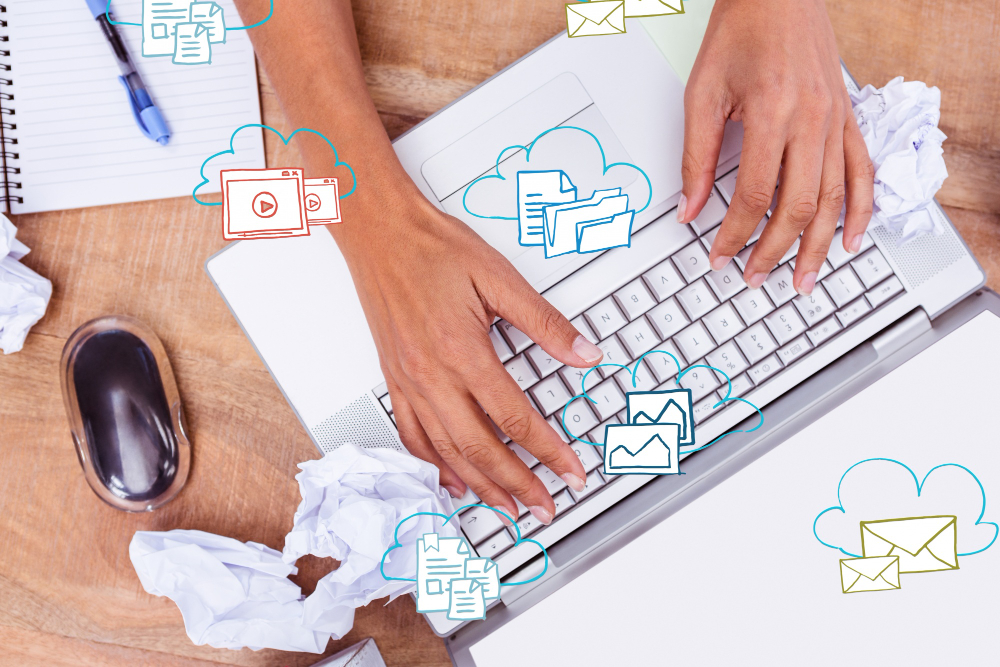
In the world of digital marketing, email remains one of the most powerful and profitable channels available. It offers a direct line of communication to your audience, allowing you to build relationships, nurture leads, and drive sales. However, the true potential of email is only unlocked when you move beyond manual, one-off “email blasts” and embrace the power of automation. Email marketing automation is the process of using software to send triggered, personalized emails to your subscribers based on their specific actions and data.
It’s the difference between shouting a single message to a crowd and having a personal, one-on-one conversation with each individual customer at the perfect moment. This level of personalized communication is a cornerstone of modern digital experiences. From e-commerce stores to sophisticated entertainment platforms like voxcasino, automation is used to guide users through their journey, providing the right information and offers at the right time. This article is a playbook for creating automated email journeys that not only convert but also build lasting customer relationships.
The Foundation: Segmentation
Before you can automate anything, you need to segment your audience. Segmentation is the process of dividing your email list into smaller groups based on shared characteristics. This allows you to send highly relevant content instead of generic messages. Common segmentation criteria:
- Demographics: age, gender, location.
- Behavior: purchase history, website pages visited, email engagement (opens and clicks), abandoned carts.
- Lead Magnet: the specific e-book, webinar, or discount they signed up for.
- Customer Status: new subscriber, first-time buyer, repeat customer, VIP.
A user who has made multiple purchases should receive different emails than a new subscriber who has never bought anything. Segmentation is the foundation of effective personalization.
Building Block 1: The Welcome Series
The welcome series is the most important automated workflow you will create. It’s your first opportunity to make a great impression, build a relationship, and guide a new subscriber toward their first conversion. A typical welcome series consists of 3-5 emails sent over the course of a week.
- Email 1 (sent immediately). Deliver the value you promised (e.g., the discount code or e-book), welcome them to the community, and briefly introduce your brand’s core mission.
- Email 2 (sent 1-2 days later). Tell your brand’s story. Introduce the founder, share your values, and create an emotional connection.
- Email 3 (sent 3-4 days later). Address common pain points and show how your product is the solution. Use social proof like testimonials or case studies.
- Email 4 (sent 5-6 days later). Make a clear, benefit-driven call to action to make their first purchase or sign up for a trial, perhaps with a reminder of their welcome discount.
Building Block 2: The Abandoned Cart Workflow
According to industry studies, nearly 70% of online shopping carts are abandoned. An automated abandoned cart series is one of the most effective ways to recover a significant portion of this lost revenue.
- Email 1 (sent 1-4 hours after abandonment). A simple, helpful reminder. “Did you forget something?” or “Your cart is waiting for you.” Sometimes, users simply get distracted, and a gentle nudge is all they need.
- Email 2 (sent 24 hours later). Overcome objections. This email can include customer testimonials, highlight your return policy, or offer to answer any questions via customer support.
- Email 3 (sent 48-72 hours later). Create urgency with a discount. This is where you can offer a small, time-sensitive discount (e.g., “Complete your purchase in the next 24 hours and get 10% off”) to provide the final push.
Building Block 3: The Post-Purchase Journey
Your communication shouldn’t stop after a customer makes a purchase. The post-purchase period is a critical time to build loyalty and encourage repeat business.
- Order confirmation and shipping updates. These are transactional emails, but they can be used to reinforce your brand and build excitement.
- Product education. A few days after the product arrives, send an email with tips on how to get the most out of it. This adds value and reduces potential customer support inquiries.
- Request for a review. A week or two after purchase, ask the customer for a review. User-generated content is incredibly valuable social proof.
- Cross-sell and upsell. Based on their purchase, recommend related products that they might be interested in.
Building Block 4: The Re-Engagement Campaign
Over time, some subscribers will become inactive. A re-engagement (or “win-back”) campaign is an automated workflow designed to bring these dormant users back into the fold.
- The “we miss you” email. Send an email to subscribers who haven’t opened or clicked an email in a set period (e.g., 90 days). You can offer a special, exclusive discount to entice them back.
- The survey. Ask for feedback. “What can we do better?” or “What kind of content would you like to see from us?” This can provide valuable insights and make the subscriber feel heard.
- The “last chance” email. If a subscriber still doesn’t engage, send a final email letting them know you will be removing them from your list unless they click to stay subscribed. This helps to keep your email list clean and your engagement metrics high.
Email marketing automation is a powerful engine that works for you 24/7, delivering personalized and timely messages at scale. By moving beyond generic blasts and creating thoughtful customer journeys, you can build a more engaged audience, recover lost revenue, and foster the kind of long-term loyalty that is the bedrock of any successful business. It’s the key to turning your email list from a simple communication channel into your most valuable marketing asset.